

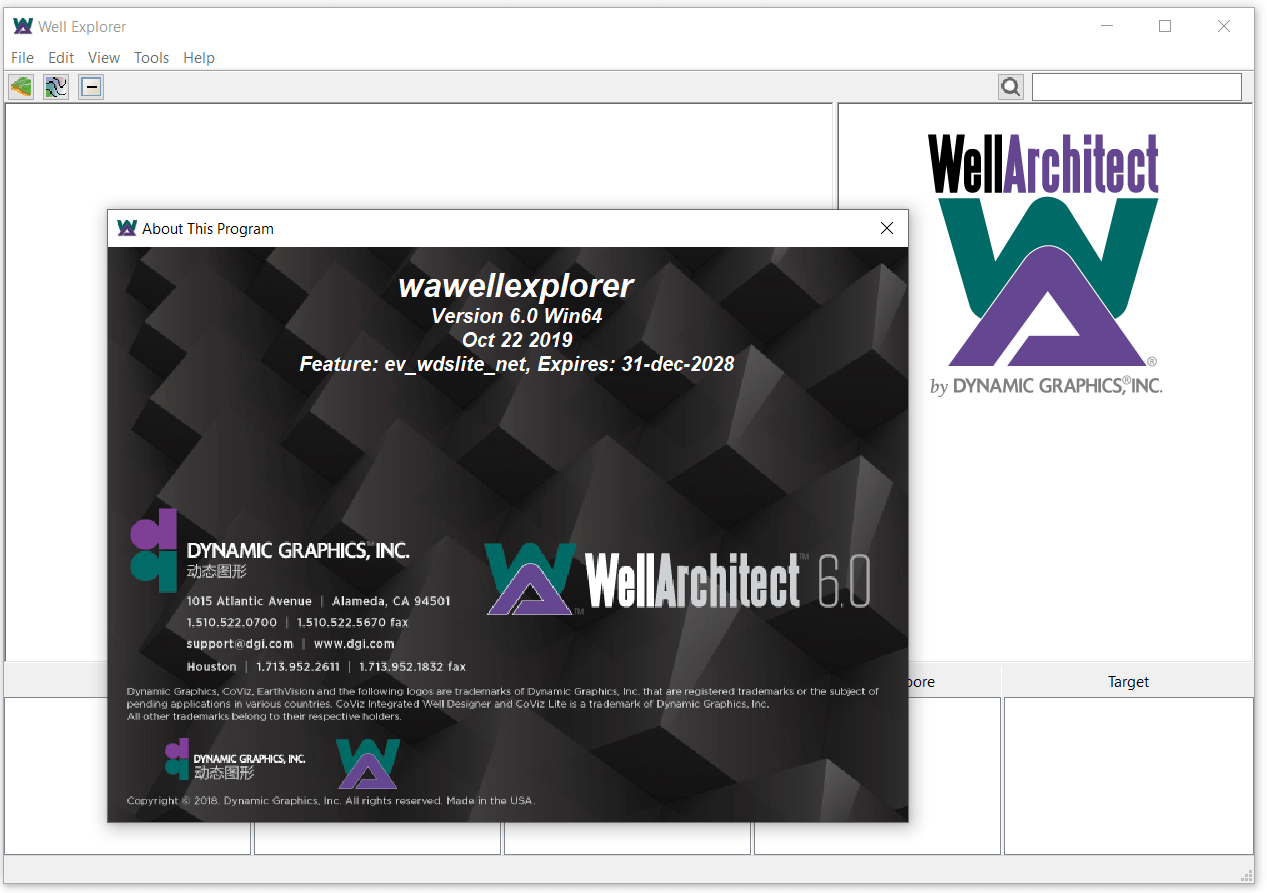
Download WellArchitect 6 – Advanced Well Planning Software
WellArchitect 6 is an advanced well planning and survey management software developed in conjunction with the Baker Hughes Company. It is designed specifically for the oil and gas industry, providing critical tools for professionals in oil & gas engineering. This software aims to enhance operational efficiency and safety in complex drilling environments by offering robust capabilities for designing and managing well trajectories.
Introduction to WellArchitect 6
Overview of the Software
WellArchitect 6 serves as a comprehensive solution for well planning and survey management within the demanding oil and gas sector. The software offers a suite of functionalities designed to facilitate the intricate process of designing directional wellpaths, from initial concept to final execution. Developed in collaboration with industry leaders like Baker Hughes, it addresses the need for precision and foresight in drilling operations, ensuring that wells are planned and executed with maximum efficiency and adherence to safety protocols.
Key Features of WellArchitect 6
Directional Drilling and Planning Capabilities
The core strength of WellArchitect 6 lies in its sophisticated directional drilling and planning capabilities. These features are essential for designing complex wellbore trajectories and managing the associated risks. Professionals can leverage these tools to create precise well plans and adapt to varying subsurface conditions.
- Trajectory Calculation: Enables precise design of wellbore paths, considering various drilling parameters.
- Sidetracking Management: Facilitates the planning and execution of sidetrack operations to access bypassed reserves or navigate around obstructions.
- Multi-lateral Wellpath Management: Supports the design and visualization of complex wells with multiple branches originating from a single bore.
Advanced 3D Visualization Tools
Understanding 3D Collision Avoidance
WellArchitect 6 integrates advanced 3D visualization tools to provide a clear understanding of wellbore placements and potential hazards. A critical component of this is its robust collision avoidance system, which is paramount for maintaining safe drilling operations, especially in densely drilled fields.
- Collision Avoidance Mechanisms: Utilizes sophisticated algorithms to detect potential conflicts between planned wellpaths and existing wells, plotting predicted paths of the bit and uncertainties.
- Ellipsoids of Uncertainty: Visualizes the potential spatial deviation of a wellbore, providing a realistic representation of the area that needs to be kept clear.
- Anti-collision Rules: Allows users to define and apply specific rules and tolerances to prevent unintended wellbore interactions.
Integration with Geological Data
Visualizing Wellpaths Against Earth Models
Effective well planning requires a deep understanding of the subsurface. WellArchitect 6 excels in integrating wellbore designs with geological data, enabling engineers to visualize planned trajectories within complex earth models and make more informed decisions.
This integration ensures that wellpaths are not only technically sound from a directional drilling perspective but also geologically viable. It allows for better placement of wells relative to geological targets, faults, and other subsurface features, thereby optimizing resource extraction and minimizing geological risks.
Real-World Applications in the Oil and Gas Industry
WellArchitect 6 is instrumental in various real-world scenarios within the oil and gas industry, directly contributing to improved project outcomes. Its application spans from initial exploration drilling to complex development projects.
- Complex Field Developments: Planning and managing directional wells in mature fields to increase recovery rates from bypassed pay zones or infill drilling.
- Offshore Drilling Operations: Designing well paths for platforms with multiple well slots, requiring precise trajectory control and effective collision avoidance.
- Unconventional Resource Plays: Facilitating the planning of extended reach drilling (ERD) and complex horizontal wells in shale formations.
- Risk Mitigation: Reducing non-productive time (NPT) and operational costs by proactively identifying and mitigating potential drilling hazards and wellbore collisions.
Conclusion and Download Information
In summary, WellArchitect 6 offers a powerful combination of advanced trajectory calculation, collision avoidance, and geological data integration. Developed with expertise from Baker Hughes, it provides oil and gas engineers with the essential tools to plan and execute complex wells efficiently and safely. By leveraging its 3D visualization and directional drilling capabilities, professionals can enhance operational performance and minimize risks.
For detailed information on obtaining WellArchitect 6 and integrating its capabilities into your drilling management system, please refer to Baker Hughes or authorized software distribution channels.
Frequently Asked Questions
What is WellArchitect 6 used for?
WellArchitect 6 is primarily used for advanced well planning and survey management. It enables users to effectively design and manage directional wellpaths while integrating geological data and ensuring drilling safety through features like trajectory calculation and collision avoidance.
How does WellArchitect 6 enhance drilling efficiency?
The software enhances drilling efficiency through features such as automated clearance calculations ahead-of-the-bit, real-time monitoring of drill paths, and advanced 3D visualization tools that improve decision-making during drilling operations, ultimately reducing non-productive time.
What are the safety features included in WellArchitect 6?
WellArchitect 6 includes crucial safety features like collision avoidance alerts, proximity monitoring to faults, and automated risk assessments. These functionalities guide users in optimizing wellbore placement and avoiding hazards, thereby mitigating risks during drilling operations.



Reviews
There are no reviews yet.