

Download Altium Nexus 5.8.2 – A Comprehensive Solution for Electronic Design Collaboration
Altium Nexus, developed by Altium Limited, is a pivotal Electronic Design Automation (EDA) software suite designed to enhance team collaboration and streamline electronic design processes. It serves the electronics design, PCB designing, and engineering management sectors by offering a unified, cloud-based platform. This tool specifically targets industries requiring synchronized efforts in complex design projects, making it a key solution for collaborative PCB design and project oversight.
Introduction to Altium Nexus
Altium Nexus functions as a central hub for teams engaged in the intricate field of electronic design. It addresses the critical need for efficient project management and seamless inter-team communication within the development lifecycle of Electronic Design Automation (EDA) products. By providing a unified environment, Altium Nexus empowers engineers and designers to work more cohesively, manage data effectively, and accelerate product development cycles. Its design philosophy centers on facilitating teamwork, a crucial aspect for modern electronics engineering.
Collaboration Features for Electronic Design
The software is engineered with a robust set of collaborative tools to support distributed engineering teams. These features are fundamental to managing complex PCB design projects efficiently:
- Centralized Design Data: Altium Nexus provides a unified repository for all project-related data, ensuring that all team members are working with the most current information. This includes schematics, layout files, Bill of Materials (BOM), and documentation.
- Version Control Integration: Seamless integration with version control systems allows teams to track design changes, revert to previous iterations, and manage multiple design paths without conflict.
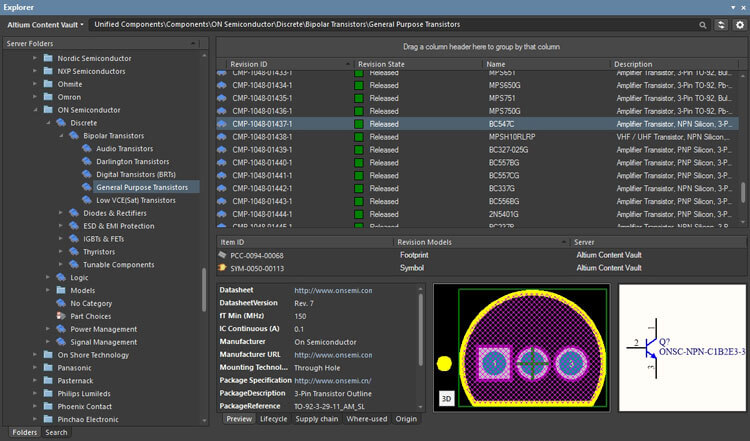
- Shared Component Libraries: Customizable and easily shareable component libraries ensure consistency across designs and reduce the time spent on library management. Teams can contribute to and utilize a common set of approved components.
- Task Management and Workflow Automation: Features for assigning tasks, tracking progress, and automating routine workflows streamline the design process, improving team productivity and accountability.
- Real-time Notifications: Teams receive timely updates on design changes, task assignments, and project milestones, keeping everyone informed and aligned.
Integration with Altium Designer
Altium Nexus is designed to work in tandem with Altium Designer, the company’s flagship PCB design software, creating a powerful, integrated ecosystem. This synergy allows for a more comprehensive and efficient design workflow:
- Unified Design Environment: Engineers can design using Altium Designer and have their projects seamlessly managed and accessed through Altium Nexus, whether they are in the office or working remotely.
- Enhanced Data Management: Project data created in Altium Designer is automatically version-controlled and stored within the Altium Nexus platform, facilitating better organization and accessibility.
- Cloud-Based Collaboration: The integration leverages cloud technology for secure storage and sharing of design files, enabling real-time collaboration among globally distributed teams using Altium Designer.
- Streamlined Release Process: The connection simplifies the process of preparing designs for manufacturing, consolidating outputs and documentation within the Nexus platform for easier review and approval.
Customizable Design Libraries and Data Management
Effective management of design data and components is crucial in electronics engineering. Altium Nexus offers extensive capabilities for customizing libraries and managing design assets:
- Centralized Component Management: Create, manage, and share a single source of truth for all electronic components. This ensures design consistency, reduces errors from outdated or incorrect parts, and speeds up the design process.
- Parametric Component Data: Libraries can store detailed parametric information for each component, such as electrical characteristics, physical dimensions, and supplier information, which is vital for accurate BOM generation and procurement.
- Managed Libraries: Altium Nexus supports managed libraries, which offer enhanced control over component lifecycles, revisions, and release status, ensuring that designs always use approved and validated parts.
- Design Reuse: By organizing reusable design elements, schematics, and board layouts into centralized libraries, teams can accelerate new projects and maintain design standards.
Security and Cloud Storage Solutions
Altium Nexus prioritizes the security of sensitive design data, offering robust cloud storage solutions tailored for collaborative environments. Data integrity and accessibility are paramount for engineering teams:
- Secure Cloud Platform: Built on a secure cloud infrastructure, Altium Nexus ensures that project data is protected against unauthorized access and data loss.
- Role-Based Access Control: Implement granular permissions to control who has access to specific projects, data, and functionalities, enhancing security and compliance.
- Data Redundancy and Backup: Cloud storage solutions typically include automatic data backups and redundancy, safeguarding critical design information against hardware failures or accidental deletion.
- Compliance Standards: The platform is designed to meet industry compliance standards, providing assurance for organizations handling sensitive intellectual property.
Real-World Applications in the Electronics Industry
Altium Nexus is instrumental in driving innovation across various segments of the electronics industry by enabling efficient, collaborative design processes. Its application is widespread in complex product development scenarios:
- Consumer Electronics Development: Teams designing smartphones, wearables, and home appliances use Altium Nexus to manage the intricate PCB designs and rapid iteration cycles required in this fast-paced market.
- Telecommunications Infrastructure: Companies developing networking equipment, routers, and base stations rely on Altium Nexus for managing large-scale, complex PCB designs and ensuring component consistency across product lines.
- Automotive Electronics: The automotive sector benefits from Altium Nexus’s robust data management and collaborative capabilities for designing electronic control units (ECUs), infotainment systems, and advanced driver-assistance systems (ADAS).
- Industrial Control Systems: For manufacturers of industrial automation equipment and control systems, Altium Nexus provides the necessary tools to manage intricate designs and ensure the reliability of critical electronic components.
Comparison with Other EDA Tools
Altium Nexus distinguishes itself within the competitive Electronic Design Automation (EDA) landscape primarily through its integrated approach to collaboration and data management, rather than focusing on standalone design functionalities.
While many EDA tools offer powerful PCB design capabilities, Altium Nexus is built from the ground up to foster teamwork and provide a unified platform. Its key differentiator lies in its comprehensive suite of features for managing design sharing, component libraries, and project workflows across distributed teams. Unlike tools that may require numerous third-party integrations for effective collaboration, Altium Nexus offers these capabilities natively, powered by cloud technology and tightly integrated with Altium Designer.
Frequently Asked Questions
What is Altium Nexus used for?
Altium Nexus is designed for enhancing collaboration in electronic design processes, providing tools for team project management and integration with Altium Designer for PCB design. It acts as a central hub for managing design data, components, and workflows, enabling teams to work more efficiently together.
How does Altium Nexus support team collaboration?
The software offers features like shared design libraries, cloud storage, and customizable workflows that facilitate seamless collaboration among team members. This includes centralized data management, version control, and real-time notifications to keep all stakeholders aligned.
What industries can benefit from using Altium Nexus?
Altium Nexus is particularly beneficial for electronics design engineers, PCB designers, and teams working in sectors such as consumer electronics, telecommunications, and automotive industries. Any field requiring complex, collaborative PCB design and engineering management can leverage its capabilities.







Reviews
There are no reviews yet.