

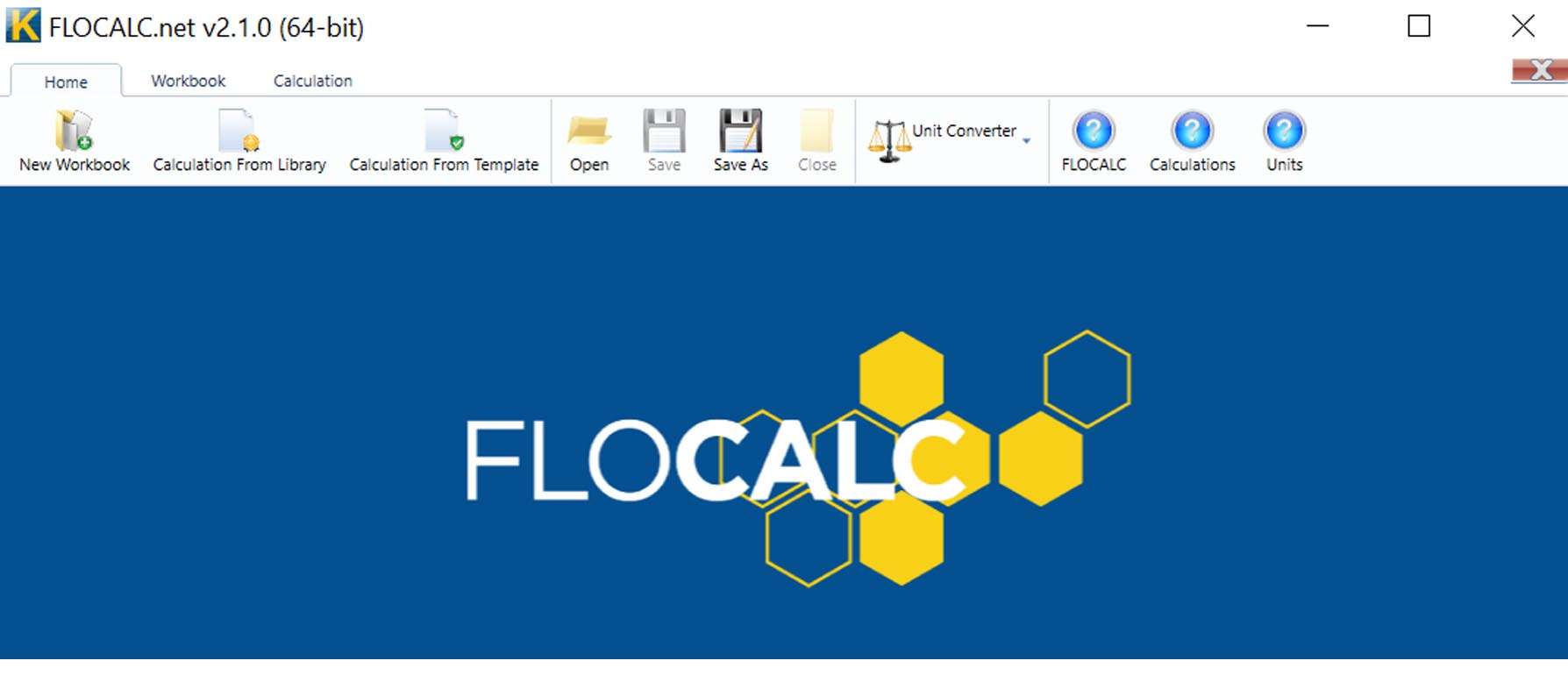
Download Kelton Engineering FLOCALC.net v2.3.1.0 – Hydraulic Calculation Software for Fire Protection Systems
FLOCALC.net v2.3.1.0, developed by Kelton Engineering, is a specialized process engineering software designed for comprehensive hydraulic calculations in fire protection and safety-critical industrial fluid flow systems. This application is indispensable for professionals in the Oil & Gas, Chemical, Petrochemical, and Power Generation industries, particularly fire protection engineers, process safety engineers, instrument engineers, and plant designers who require validated designs for firewater and inert gas suppression networks.
An Overview of FLOCALC.net in Industrial Fire Protection
FLOCALC.net addresses the critical need for accurate hydraulic modeling in fire protection systems. Its primary purpose is to enable engineers to design, analyze, and validate the performance of firewater and inert gas suppression networks, ensuring they meet stringent safety and regulatory requirements. The software is tailored for industries where system failures can have severe consequences, making precise hydraulic calculations essential for operational safety and compliance.
Target users include:
- Fire Protection Engineers
- Process Safety Engineers
- Instrument Engineers
- Plant Designers
These professionals rely on FLOCALC.net for rigorous analysis within sectors such as oil and gas refining, chemical processing, and power generation.
Advanced Hydraulic Modeling for Firewater and Gas Suppression Networks
This software provides sophisticated tools for modeling complex piping networks, supporting both water-based and inert gas suppression systems. Engineers can construct intuitive node-and-pipe schematic diagrams to represent their designs accurately. The application is capable of simulating the flow dynamics of various fluids essential for fire suppression.
Key modeling capabilities include:
- Support for fluids such as water, foam solutions, CO2, nitrogen, and other inert gases, with automatic consideration of their specific hydraulic properties.
- Multi-branch network analysis to accurately depict flow distribution and pressure drop across complex piping layouts.
- Hydraulic solvers utilizing industry-standard formulas like Darcy-Weisbach for turbulent flow and Hazen-Williams for water flow, ensuring reliable calculation results based on established engineering principles.
These features allow for detailed firewater system design and inert gas suppression calculation tool functionality.
Component Libraries and Compliance with Fire Protection Standards
FLOCALC.net features extensive, pre-defined component libraries crucial for accurate hydraulic simulation. These libraries include a wide range of pipes, valves, sprinklers, nozzles, deluge heads, and other fire protection system elements, allowing engineers to populate their models quickly and precisely. The software is specifically designed to facilitate compliance with major fire protection codes.
Key aspects of component management and compliance include:
- Comprehensive component databases containing essential specifications for sprinkler heads, deluge valves, discharge devices, and associated fittings, adhering to typical project requirements for fire protection.
- Built-in calculation modules and reporting structures designed to align with NFPA standards, including NFPA 13 (Standard for the Installation of Sprinkler Systems), NFPA 15 (Standard for Water Spray Fixed Systems for Fire Protection), and NFPA 24 (Standard for the Installation of Private Fire Service Mains and Their Appurtenances).
- Support for NFPA 12 (Standard on Carbon Dioxide Extinguishing Systems) and NFPA 2001 (Standard on Clean Agent Fire Extinguishing Systems) for modeling inert gas suppression networks.
- Advanced supply-demand balancing calculations to ensure that the system’s flow and pressure meet the required demand under various operating scenarios.
This focus on component data and standards ensures that users can perform NFPA compliant hydraulic modeling.
Enhanced Reporting and Validation Features in Version 2.3.1.0
Version 2.3.1.0 of FLOCALC.net introduces significant enhancements aimed at improving user workflow, data validation, and reporting capabilities. These updates streamline the design and approval process for safety-critical systems, providing engineers with more robust tools for analysis and documentation.
Key improvements in version 2.3.1.0 include:
- Enhanced report templates with greater customization options and flexible export capabilities to PDF and Excel formats, facilitating clear communication and submission to regulatory bodies.
- New model validation diagnostics that automatically check for common errors and inconsistencies within the hydraulic model, improving the reliability of designs.
- Streamlined user interface for pump and boundary condition settings, simplifying the setup of system operating parameters and analysis scenarios.
- General stability improvements and bug fixes to ensure a more robust and reliable user experience for hydraulic simulation for safety-critical systems.
These enhancements support engineers in producing high-quality documentation and validated designs.
Applications and Use Cases in Oil, Gas, Chemical, and Power Industries
FLOCALC.net is extensively applied in the design and validation of fire protection and gas suppression systems within demanding industrial environments. Its specialized nature makes it an invaluable tool for ensuring the safety and integrity of operations in high-risk sectors.
Typical application scenarios include:
- Designing and validating firewater supply and distribution networks for oil refineries, petrochemical plants, and chemical processing facilities, ensuring adequate water flow and pressure to critical equipment and areas.
- Modeling and verifying the performance of inert gas suppression systems (e.g., CO2, nitrogen, argon mixtures) for protecting sensitive equipment such as control rooms, server rooms, and electrical substations in power generation and industrial plants. The software acts as an inert gas suppression calculation tool for these specific applications.
- Supporting process safety engineers in demonstrating compliance with industry regulations and company-specific safety standards through detailed hydraulic calculations and reports.
- Assisting plant designers and instrument engineers in specifying and integrating fire protection systems into the overall plant design, ensuring all safety-critical hydraulic aspects are addressed.
These use cases highlight the software’s role in process safety engineering software solutions for critical industrial infrastructure.
Frequently Asked Questions
How does FLOCALC.net ensure compliance with fire protection standards?
FLOCALC.net ensures compliance by incorporating specific calculation modes and tailored reporting features for major NFPA standards. This includes support for NFPA 13, 15, and 24 for various water-based systems, as well as NFPA 12 and 2001 for clean agent gas suppression systems. By leveraging its comprehensive component libraries and accurate hydraulic solvers, the software enables engineers to rigorously verify that their system designs meet all required regulatory specifications for fire protection.
What types of fluids can be modeled with FLOCALC.net?
FLOCALC.net is equipped to model a range of critical fluids used in fire protection applications. This includes standard water, specialized foam solutions, and various inert gases such as nitrogen, CO2, and argon. The software automatically accounts for the unique physical properties of each fluid, ensuring that hydraulic calculations are precise and relevant for both firewater systems and inert gas suppression networks.
What new features were added in FLOCALC.net version 2.3.1.0?
The latest release, FLOCALC.net version 2.3.1.0, brings several key enhancements designed to improve performance and user experience. Notable upgrades include refined data management capabilities, an expanded library of certified components, more sophisticated report templates with flexible export options (PDF, Excel), and new diagnostic tools for enhanced model validation. Additionally, the user interface has been streamlined for more frequent operations, and several known bugs have been addressed to improve overall software stability.



Reviews
There are no reviews yet.