

Download NEPLAN 10.9 – Advanced Power Systems Analysis Software
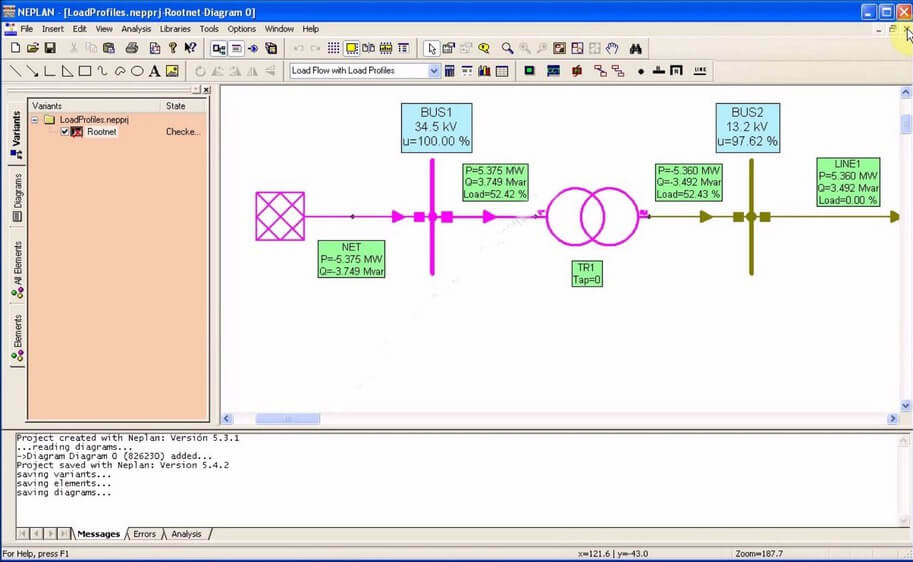
NEPLAN 10.9, developed by NEPLAN AG, is a specialized power systems analysis software designed for electrical engineers. This application is crucial for modeling and analyzing complex electrical networks, supporting professionals in sectors such as electrical engineering, renewable energy, and power transmission and distribution. Its robust analytical engine and intuitive graphical interface make it a valuable tool for comprehensive power grid management and optimization.
Overview of NEPLAN Software
Introduction to NEPLAN and its Capabilities
NEPLAN serves as a comprehensive suite for engineers involved in the design, operation, and analysis of electrical power systems. It offers a digital environment to model and simulate various components of power grids, from generation at power plants to transmission lines and local distribution networks. Historically, NEPLAN has aimed to provide engineers with accurate and efficient tools to address the evolving challenges in power system engineering, including the integration of renewable energy sources and the development of smart grid technologies.
Key Applications and Industry Uses
The versatility of NEPLAN 10.9 allows it to be applied across multiple facets of the electrical power industry. Its analytical capabilities are critical for ensuring the reliable and efficient operation of power grids. Specific application areas include:
- Power Generation: Analyzing the performance of power plants and their integration into the grid.
- Transmission Networks: Performing load flow and stability studies for high-voltage transmission systems.
- Distribution Systems: Optimizing the operation of medium and low-voltage distribution networks, including fault analysis.
- Renewable Energy Integration: Simulating the impact and performance of solar, wind, and other renewable energy sources on grid stability and behavior.
- Smart Grid Development: Modeling and analyzing advanced grid concepts and technologies for improved energy management.
Core Features and Analytical Tools
Analytical Capabilities
NEPLAN 10.9 provides a robust set of analytical tools essential for in-depth power system examination. These features enable engineers to understand system behavior under various conditions and to design effective solutions. Key analytical capabilities include:
- Load Flow Analysis: Calculating voltage, current, and power flow throughout the network under normal operating conditions.
- Short Circuit Analysis: Determining fault currents to ensure equipment protection and safety.
- Transient Stability Analysis: Evaluating the system’s response to disturbances and its ability to maintain synchronism.
- Harmonic Analysis: Investigating the presence and impact of harmonic distortions caused by non-linear loads.
- Reliability Analysis: Assessing the probability and duration of power outages.
- Contingency Analysis: Simulating the effects of equipment failures on system performance.
Benefits of Using NEPLAN
NEPLAN is recognized for several key benefits that enhance the productivity and accuracy of electrical engineering analyses. Its design philosophy emphasizes a user-friendly experience coupled with powerful computational abilities. Notable advantages include:
- Intuitive Graphical User Interface: Facilitates easy network modeling and visualization of results, simplifying complex system analysis.
- Accuracy of Results: Utilizes validated algorithms to provide precise and reliable analytical outcomes.
- Comprehensive Analysis Tools: Offers a wide range of interconnected modules for diverse power system studies.
- Interoperability: Capability to integrate with other engineering software and data formats, streamlining workflows.
- Global Support and User Base: Backed by a strong international user community and developer support, fostering continuous improvement.
How NEPLAN Compares to Other Software
In the competitive landscape of power systems analysis software, NEPLAN is often discussed alongside other prominent tools such as ETAP and DIgSILENT PowerFactory. While these platforms share core functionalities like load flow and stability analysis, NEPLAN distinguishes itself through its emphasis on a highly intuitive graphical user interface and a streamlined approach to complex modeling. Engineers may choose NEPLAN for its perceived ease of use and the comprehensive nature of its integrated analytical modules, offering a potent solution for projects ranging from network design to operational optimization.
Real-World Applications and Case Studies
NEPLAN software is employed in practical engineering scenarios worldwide, contributing to the development and maintenance of critical infrastructure. Its application extends to addressing modern energy challenges:
- Engineers use NEPLAN to design and validate the integration of large-scale wind and solar farms into existing power grids, ensuring grid stability and power quality.
- Utility companies utilize NEPLAN for daily operational planning, contingency analysis, and optimizing power flow to minimize losses and enhance reliability.
- In the realm of smart grid initiatives, NEPLAN assists in modeling advanced control strategies and analyzing the performance of distributed energy resources.
- Projects focused on upgrading aging transmission and distribution infrastructure often rely on NEPLAN for detailed impact assessments and design verification.
Conclusion
NEPLAN 10.9 remains a vital instrument for modern electrical engineering, providing essential capabilities for the analysis and management of power systems. Its combination of advanced analytical tools, a user-friendly interface, and suitability for diverse applications, including renewable energy integration, solidifies its position as a key software solution for professionals committed to ensuring the efficiency, reliability, and sustainability of global power networks.
Frequently Asked Questions
What is NEPLAN used for?
NEPLAN is used for analyzing and optimizing power generation, transmission, and distribution systems. It provides functionalities for load flow analysis, short circuit calculations, and stability evaluations among other analytical features, helping engineers understand and improve electrical grid performance.
How does NEPLAN compare to other power system software?
NEPLAN is often compared to software like ETAP and DIgSILENT due to its graphical user interface and comprehensive analytical tools. It is suitable for engineers familiar with power systems analysis, offering similar functionalities with its unique user experience and focus on ease of modeling.
Can NEPLAN be used for renewable energy systems analysis?
Yes, NEPLAN includes specific tools for analyzing renewable energy systems, allowing engineers to evaluate the integration and performance of sources such as wind and solar energy within power grids and assess their impact on overall system stability.






Reviews
There are no reviews yet.