
SGS Genesis 2026 v2.3.15 – Specialized 3D Geological Modeling and Mineral Resource Estimation Software for Mining Geology
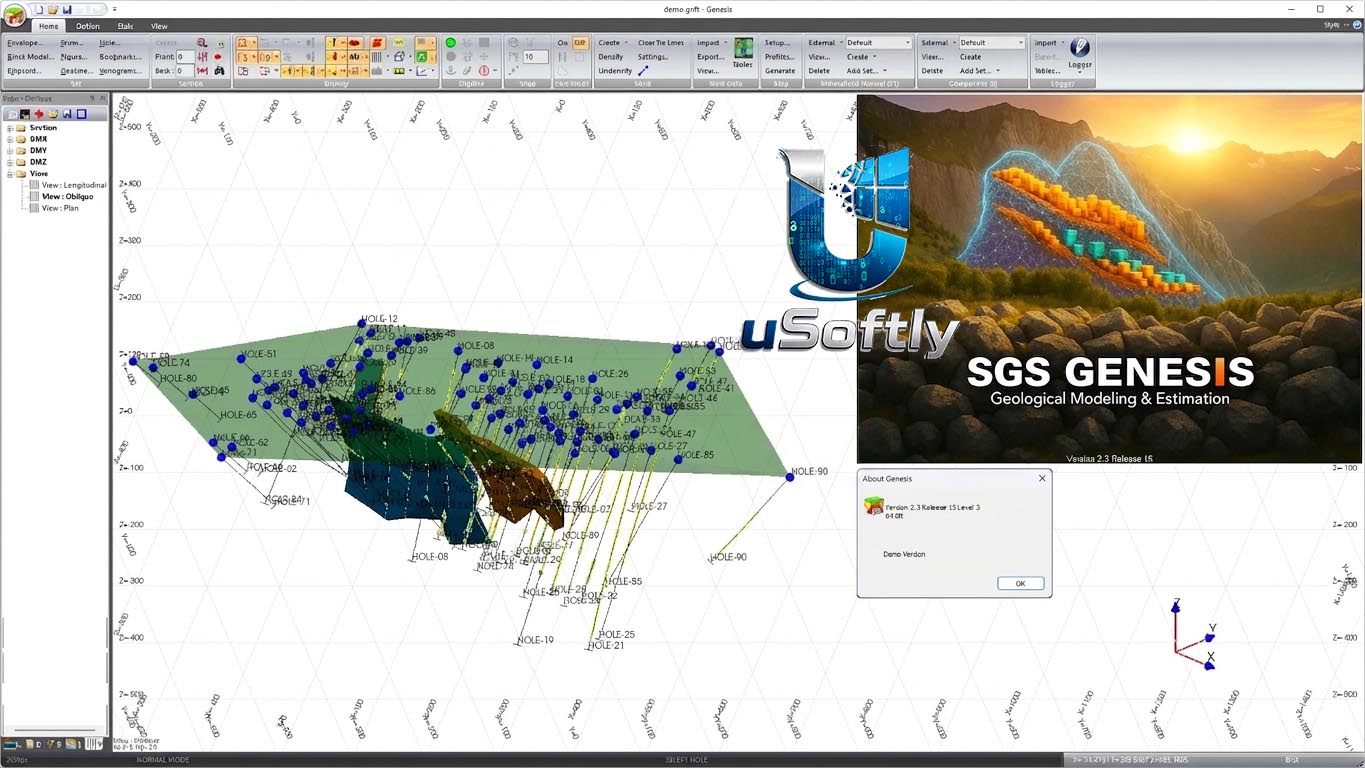
SGS Genesis is a specialized geological software platform developed by SGS Geological Services for 3D deposit modeling, geostatistics, and mineral resource estimation . It is focused primarily on mining geology applications, supporting the complete workflow from drillhole data management through to resource classification and reporting.
The software integrates geological modeling tools with a comprehensive geostatistics engine, enabling geologists and engineers to move seamlessly from data validation to domain creation, variography, estimation, and block modeling. Its heritage from the Gamma Geostat programs ensures a mature, industry‑tested approach to resource estimation.
Version 2026 v2.3.15 is the latest release, continuing SGS’s ongoing development and support of the platform for mining operations, exploration projects, and consulting studies worldwide.
Primary Users
SGS Genesis 2026 v2.3.15 is designed for mining geologists, resource geologists, geostatisticians, and mining engineers who need to build accurate 3D geological models and estimate mineral resources. It serves professionals who:
-
Load, validate, and analyze drillhole data, including lithology, sampling, and assay results
-
Construct 3D geological models, surfaces, and mineralization domains for deposit understanding
-
Perform compositing and variography to prepare data for grade estimation
-
Apply kriging and other estimation methods to generate block models and classify resources
-
Conduct QA/QC and statistical analysis to ensure data integrity and support reporting
-
Optimize open pit and underground workings and generate resource reports for regulatory compliance
The software historically evolved from the Gamma Geostat suite (SectCAD, BlkCAD, PolyCAD, Geostat), giving it deep roots in geostatistical resource estimation .
Key Features & Capabilities
Data Loading and Validation
-
Drillhole Data Management: Load, check, and validate drillhole, trench, and channel sampling data
-
Lithology and Sampling: Organize and analyze lithological intervals, sampling records, and assay results
-
Data Integrity Tools: Built‑in validation routines to identify errors and inconsistencies before modeling
3D Geological Modeling
-
3D Geological Models and Surfaces: Construct wireframes, surfaces, and solid models representing lithological units, structures, and alteration zones
-
Mineralization Domains: Define and model mineralized domains for grade estimation and resource classification
-
Surface and Solid Construction: Build accurate representations of ore bodies and waste zones for mine planning
Compositing and Geostatistics
-
Compositing: Generate regular or geological composites for grade estimation
-
Variogram Construction and Analysis: Build, model, and interpret variograms to characterize spatial continuity
-
Kriging and Estimation Methods: Apply ordinary kriging, simple kriging, indicator kriging, and other estimation techniques
-
Block Modeling: Create block models with estimated grades, densities, and other attributes
-
Resource Classification: Classify resources based on confidence levels (Measured, Indicated, Inferred) according to reporting standards
QA/QC and Statistical Analysis
-
QA/QC Tools: Perform quality assurance and quality control checks on assay and sampling data
-
Statistical Analysis: Analyze grade distributions, outliers, and trends
-
Reporting: Generate resource reports and statistical summaries for internal and regulatory use
Mine Planning and Optimization
-
Open Pit Optimization: Optimize pit designs based on economic parameters and geotechnical constraints
-
Underground Workings Optimization: Support the design and optimization of underground mining layouts
-
Resource Reports: Produce comprehensive resource reports suitable for public disclosure and technical studies
What’s New in SGS Genesis 2026 v2.3.15
Version 2026 v2.3.15 is part of the 2026 release cycle. As a patch/minor update within the v2.3 series, it likely includes:
-
Performance improvements for large datasets and complex geological models
-
Bug fixes addressing issues reported by users in previous v2.3 releases
-
Compatibility updates for modern operating systems and data formats
-
Workflow refinements to improve usability and efficiency in resource estimation tasks
For the most accurate and detailed release notes, users should refer to the official SGS Genesis documentation or contact SGS Geological Services directly.






Reviews
There are no reviews yet.