

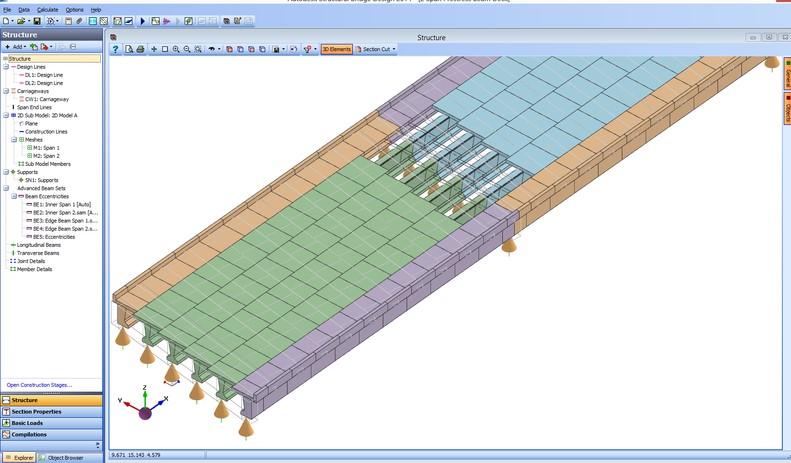
Download Autodesk Structural Bridge Design 2026 – Comprehensive Bridge Design and Analysis Software
Autodesk Structural Bridge Design 2026 is a specialized civil engineering software developed by Autodesk Inc., designed to provide a comprehensive environment for the design and analysis of various bridge types. This structural analysis software is intended for civil engineers and structural professionals engaged in complex bridge projects, offering integrated functionalities that streamline the design process.
Overview of Autodesk Structural Bridge Design 2026
Introduction to Software Features
Autodesk Structural Bridge Design 2026 offers a robust suite of tools for professionals in civil engineering. The software aims to centralize the most critical aspects of bridge design into a single, efficient application. This integration allows engineers to manage the entire lifecycle of bridge projects with greater precision and speed.
- Comprehensive modeling capabilities for a wide array of bridge structures.
- Advanced analysis features to ensure structural integrity and compliance.
- Streamlined user interface designed for efficient navigation and operation.
- Tools to support complex calculations inherent in modern bridge engineering.
Capabilities in Bridge Design and Analysis
Dynamic and Static Load Analysis
A core function of Autodesk Structural Bridge Design 2026 involves its capacity for detailed load analysis. Engineers can meticulously define and apply various load conditions to their bridge models, enabling thorough evaluation of structural responses. This capability is crucial for ensuring that bridges can withstand expected stresses and environmental factors throughout their service life.
- Simulation of static loads, including dead loads, live loads, and environmental forces like wind and seismic activity.
- Application of dynamic loads and transient phenomena for a more realistic representation of bridge behavior under varying conditions.
- Tools for detailed investigation of stress distribution, displacement, and potential failure points within the structure.
- Accurate calculation of load effects essential for structural design and safety verification.
Integration and Workflow Efficiency
Seamless Design to Analysis Transition
Autodesk Structural Bridge Design 2026 is engineered to optimize the typical workflow for bridge engineers. By integrating design and analysis functionalities, it significantly reduces the need for manual data transfer, thereby minimizing errors and saving valuable project time. This streamlined process allows for quicker design iterations and more responsive feedback loops.
- Integrated environment where design modifications are instantly reflected in ongoing analysis.
- Reduced data input requirements, as analysis tools work directly with design models.
- Facilitation of rapid design exploration and optimization through a connected toolset.
- Improved collaboration among project teams by operating within a unified software platform.
Industry Applications and Use Cases
This bridge design software finds extensive application in civil engineering projects requiring the design and rigorous analysis of diverse bridge types. Its capabilities are particularly valuable for projects involving complex geometry or demanding performance requirements, ensuring that engineers can meet project specifications and regulatory standards effectively.
- Design of new highway and railway bridges.
- Analysis and strengthening of existing bridge structures.
- Projects involving specialized bridge types such as cable-stayed and suspension bridges.
- Infrastructure development requiring detailed structural assessments for safety and longevity.
Comparison to Competitor Software
Compared to other civil engineering software, Autodesk Structural Bridge Design 2026 differentiates itself through its focused integration of design and analysis for bridges. While general structural analysis software may offer broad capabilities, this application is specifically optimized for the nuances of bridge engineering. Its seamless transition from design to analysis is a key advantage over solutions that require separate analysis packages.
Key Standards and Compliance in Bridge Design
Autodesk Structural Bridge Design 2026 incorporates a range of structural analysis codes and standards commonly followed in the civil engineering industry. This adherence ensures that designs meet regulatory requirements and industry best practices, providing engineers confidence in the safety and reliability of their structural models. The software supports compliance with both national and international design codes through its analytical frameworks.
Final Thoughts on Autodesk Structural Bridge Design 2026
Autodesk Structural Bridge Design 2026 stands out as a powerful tool for bridge engineers, characterized by its integrated approach to design and analysis. The software’s ability to handle complex bridge types and perform detailed load analyses, combined with its workflow efficiencies, makes it a valuable asset for modern civil engineering practices tackling demanding infrastructure projects.
Frequently Asked Questions
What types of bridges can I design with Autodesk Structural Bridge Design 2026?
Autodesk Structural Bridge Design 2026 supports the design and analysis of various bridge types, including cable-stayed bridges, deck bridges, and more, making it versatile for multiple project requirements. Its comprehensive capabilities allow engineers to tackle a wide spectrum of bridge engineering challenges.
How does Autodesk Structural Bridge Design 2026 help with load analysis?
The software allows users to efficiently apply both static and dynamic loads in various scenarios, providing detailed analysis capabilities that are critical for ensuring structural integrity. Engineers can simulate diverse loading conditions to understand structural responses under realistic operational and environmental stresses.
Can I generate reports with Autodesk Structural Bridge Design 2026?
Yes, the software facilitates the generation of comprehensive reports based on the analysis results, which can be shared with other professionals involved in the project. These reports typically include key design parameters, analysis outcomes, and compliance details, supporting project documentation and communication.



Reviews
There are no reviews yet.