

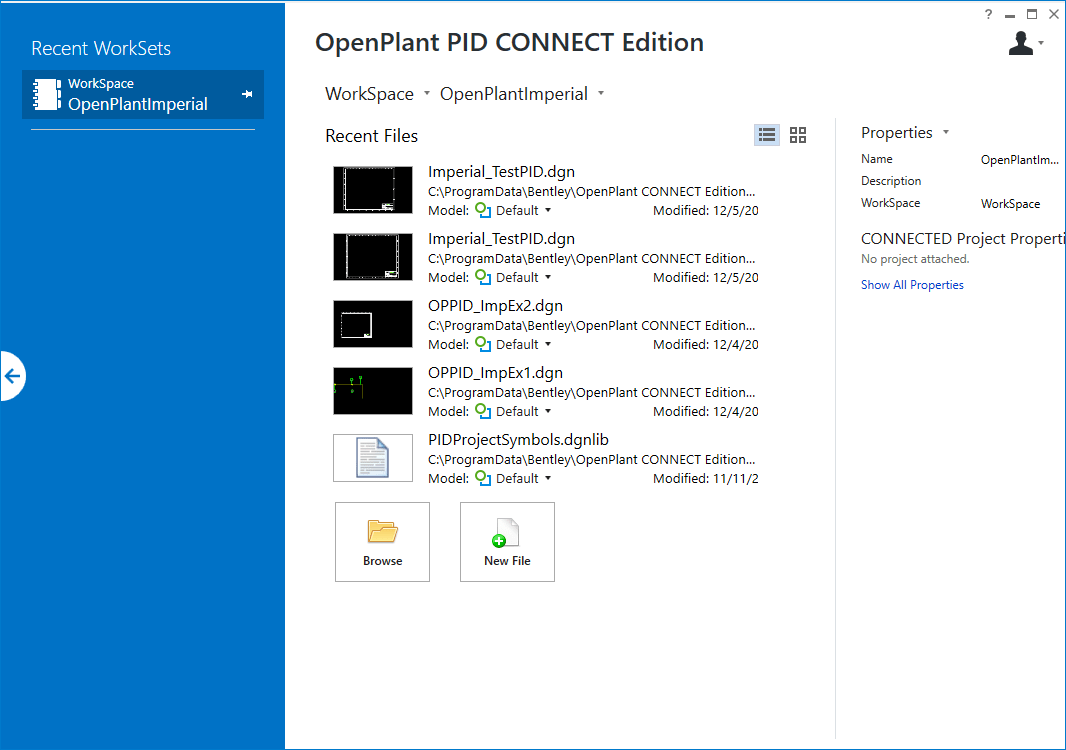
Download Bentley OpenPlant PID 24 – Intelligent P&ID Generation Software
Bentley OpenPlant PID 24, developed by Bentley Systems, Incorporated, is a specialized process engineering software application designed for creating intelligent, data-driven Piping and Instrumentation Diagrams (P&IDs). It is crucial for professionals in the oil, gas, energy, and industrial plant engineering sectors, enabling the efficient development and management of complex process schematics that define plant operations.
The Role of P&IDs in Process Plant Engineering
Piping and Instrumentation Diagrams (P&IDs) are fundamental schematic representations that depict the intricate network of piping, equipment, and instrumentation within a process plant. These diagrams serve as a universal language for conveying essential operational details, forming the backbone of design documentation, safety protocols, and ongoing maintenance strategies.
In industries such as oil and gas, energy production, and chemical manufacturing, accurate P&IDs are indispensable for:
- Communicating the precise configuration of process equipment, valves, and control systems.
- Facilitating safe design reviews and operational hazard assessments.
- Providing a visual reference for plant commissioning, operational procedures, and troubleshooting.
- Supporting facility modifications and expansion planning by clearly detailing existing infrastructure.
How Bentley OpenPlant PID Enhances P&ID Creation and Management
Bentley OpenPlant PID streamlines the creation and management of P&IDs through a data-driven approach that prioritizes accuracy and efficiency. The software allows engineers to rapidly generate diagrams by integrating validated components and adhering to project-specific piping specifications, significantly reducing manual effort and potential errors.
Key aspects of its functionality include:
- Data-Driven Design: Components and piping carry intelligent data, ensuring that the P&ID is a live, accurate representation of the plant.
- Validated Component Library: Access to a library of pre-defined, validated components speeds up the drawing process.
- Specification Integration: Direct use of project piping specifications ensures consistency and adherence to engineering standards.
- Task-Based Navigation: A simplified, task-oriented user interface guides users through the P&ID creation workflow, enhancing productivity.
- 2D/3D Data Integration: The software supports the linkage between 2D P&ID designs and 3D models, promoting design integrity across different project deliverables.
Standardization and Interoperability with Open Data Schemas
Compliance with open data standards is a cornerstone of Bentley OpenPlant PID, ensuring that P&ID data can be seamlessly exchanged and utilized across various engineering disciplines and lifecycle stages. By adhering to standards like ISO 15296 and ISO 15926, the software promotes interoperability, allowing for better integration with other plant design and management systems.
This commitment to open standards facilitates:
- Consistent Labeling and Tagging: Standardized methods for tagging equipment and instrumentation prevent duplication and ambiguity.
- Data Reuse: P&ID information can be readily shared and reused by other project stakeholders and systems.
- Ecosystem Integration: Seamless integration with Bentley’s broader infrastructure platform, including tools like PlantSight, enables synchronization between 2D P&IDs and 3D plant models.
Features Supporting Collaboration and Lifecycle Project Efficiency
Bentley OpenPlant PID incorporates features designed to foster collaboration and enhance efficiency throughout the entire project lifecycle, from initial design to operational management. The software’s intelligent data handling and connectivity capabilities ensure that P&IDs remain accurate and accessible to all relevant team members.
Key features contributing to project efficiency include:
- Cloud Data Management: Enables centralized management and editing of design data, improving accessibility and version control for distributed teams.
- Lifecycle Data Sharing: Facilitates the reuse of P&ID data beyond the design phase, supporting operations, maintenance, and compliance tasks.
- Error Reduction: Automation of validated component placement and consistent labeling minimizes errors and rework, saving time and resources.
- Accelerated Delivery: Streamlined workflows and collaborative features enable faster generation of accurate P&IDs, contributing to quicker project completion.
Comparing Bentley OpenPlant PID with Other P&ID Software Tools
In the landscape of P&ID software, Bentley OpenPlant PID distinguishes itself through a combination of advanced features tailored for complex process engineering environments. While many tools offer basic diagramming, OpenPlant PID focuses on delivering intelligent, data-driven schematics that integrate deeply into the broader plant engineering workflow.
Unique capabilities of OpenPlant PID include:
- Intuitive Task-Based User Interface: Simplifies the design process, making it more accessible and efficient for engineers.
- Robust Open Standards Compliance: Adherence to ISO 15296 and ISO 15926 ensures greater interoperability compared to proprietary formats.
- Integrated Cloud Data Management: Facilitates real-time collaboration and data synchronization, a significant advantage over standalone desktop solutions.
- Seamless 2D/3D Workflow: Tight integration with 3D modeling capabilities within the Bentley ecosystem provides a more comprehensive digital representation of the plant.
Practical Applications and Industry Use Cases
Bentley OpenPlant PID is extensively applied in the design, construction, and operation of facilities within the oil, gas, and energy sectors. Its intelligent data handling empowers engineering teams to manage complex process information with greater accuracy and speed.
Specific industry use cases include:
- Conceptual and FEED (Front-End Engineering Design): Used to rapidly develop initial process flow diagrams and P&IDs, establishing the foundation for detailed design.
- Detailed Design and Procurement: Generates precise P&IDs that serve as the basis for equipment specification, procurement, and construction.
- Plant Operations and Maintenance: Provides an accurate, up-to-date record of plant systems for operational troubleshooting and planned maintenance activities.
- Facility Modifications and Upgrades: Assists in accurately documenting existing systems before modifications and planning the integration of new equipment or processes.
- Safety and Compliance Documentation: Ensures that P&IDs meet industry standards and regulatory requirements for safety and operational control.
Frequently Asked Questions
What is Bentley OpenPlant PID used for in process plant design?
Bentley OpenPlant PID is used to create detailed, intelligent piping and instrumentation diagrams (P&IDs) that illustrate the process systems’ equipment and control instrumentation essential for plant design, operations, and maintenance. It accelerates the generation of these diagrams using validated components and piping specifications.
How does OpenPlant PID support interoperability and data sharing?
OpenPlant PID adheres to open data standards such as ISO 15296, enabling seamless data sharing and collaboration across design and operational platforms. It supports consistent labeling and integration with Bentley’s PlantSight for synchronization of 2D and 3D plant design data.
Can OpenPlant PID streamline collaboration among engineering teams?
Yes, OpenPlant PID includes cloud data management and task-based navigation features that facilitate multi-user collaboration, reduce project setup times, and ensure consistency of design data across the project lifecycle.


Reviews
There are no reviews yet.