

Download Cadence Xcelium Logic Simulator – High-Performance Chip Simulation Software
Cadence Xcelium Logic Simulator, developed by Cadence Design Systems, Inc., is a premier electronic design automation (EDA) solution. It is engineered for the rigorous demands of the semiconductor and integrated circuit (IC) design industries. Cadence Design Systems, a pioneer in EDA since 1983, provides sophisticated software tools that empower engineers to design, simulate, and verify complex electronic systems efficiently, with Xcelium standing out for its speed and comprehensive language support.
Introduction to Cadence Xcelium Logic Simulator
Overview of Cadence Design Systems
Cadence Design Systems, Inc., headquartered in San Jose, California, has been a significant force in the field of electronic design automation since its inception in 1983. The company specializes in developing advanced software and hardware solutions tailored for the semiconductor and broader electronics industries. Its extensive portfolio aims to streamline the intricate processes involved in designing integrated circuits, making intricate chip architectures feasible for production.
Core Functionality and Applications
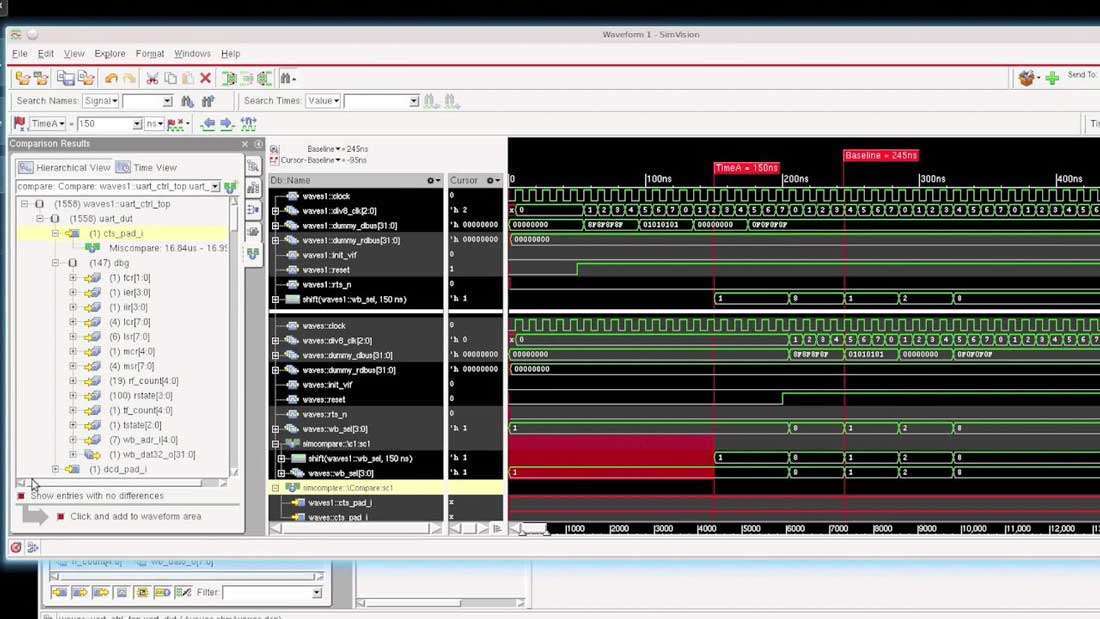
The Cadence Xcelium Logic Simulator is a cornerstone tool for professionals engaged in integrated circuit design and testing. It provides a robust environment for simulating and verifying digital designs, ensuring that complex electronic systems meet their intended performance and functional specifications before physical fabrication. This rigorous verification process is critical for reducing design iterations and mitigating errors in production environments.
Advanced Simulation Techniques and Features
Machine Learning Integration
Cadence Xcelium distinguishes itself through the integration of advanced machine learning technologies. These AI-driven capabilities are applied to optimize simulation workflows, notably by enhancing regression testing efficiency. By intelligently learning from past simulation runs, Xcelium can predict and prioritize tests, significantly reducing overall regression times and enabling design teams to achieve faster verification cycles.
Support for Multiple Languages
To accommodate diverse design methodologies and legacy codebases, Cadence Xcelium offers comprehensive support for a wide array of industry-standard hardware description languages. This multi-language capability ensures flexibility and interoperability within complex design projects, allowing engineers to integrate components described in different linguistic formats seamlessly within a unified simulation environment.
Modularity and Extensibility
Xcelium is designed with a modular architecture, allowing users to customize their simulation environments based on project-specific needs. This approach enables the integration of various sub-modules and features as required, adapting the tool’s functionality across a spectrum of applications. Such modularity enhances usability and performance, as users can tailor the simulator to optimize for specific design complexities or verification tasks.
Performance and Comparison with Other EDA Tools
In the competitive landscape of electronic design automation, Cadence Xcelium Logic Simulator is recognized for its high performance. While specific benchmark data can vary based on design complexity and configuration, Xcelium is engineered to deliver accelerated simulation speeds and enhanced accuracy. This performance is often achieved through its sophisticated simulation engine, multi-language support, and advanced features like machine learning integration. Compared to other EDA tools, Xcelium aims to provide a more integrated and efficient verification flow for complex digital designs.
Industry Applications and Real-World Use Cases
In the semiconductor industry, Cadence Xcelium is instrumental in the design and verification of microprocessors, system-on-chips (SoCs), and other advanced integrated circuits. Design teams use Xcelium to conduct extensive validation of digital logic, ensuring that designs are free from functional bugs before tape-out. This enables faster time-to-market for new chip technologies and reduces the costly impact of design respins.
Getting Started with Cadence Xcelium
Professionals seeking to leverage the capabilities of Cadence Xcelium Logic Simulator can access comprehensive resources provided by Cadence Design Systems. These resources typically include technical documentation, user guides, and educational materials that detail the software’s functionalities and best practices for implementation in chip simulation workflows. Exploring these materials is recommended for optimizing the use of Xcelium in verification projects.
Frequently Asked Questions
What is Cadence Xcelium used for?
Cadence Xcelium is used primarily for simulating and verifying integrated circuits and complex digital designs, enabling engineers to assess performance and functionality before production. Its core function is to accurately model the behavior of digital hardware designs at various stages of development.
How does Cadence Xcelium leverage machine learning?
Xcelium incorporates advanced machine learning techniques to optimize regression times and enhance simulation accuracy, significantly reducing debugging efforts and speeding up verification processes. Machine learning algorithms help identify patterns and optimize test execution for greater efficiency.
Can Cadence Xcelium support other programming languages?
Yes, Cadence Xcelium supports various languages including SystemVerilog, VHDL, and SystemC, making it versatile for different simulation and design environments. This broad language compatibility allows seamless integration into heterogeneous design projects.






Reviews
There are no reviews yet.