

Download Hexagon PIPESTRESS 2025 v08 – Comprehensive Piping Stress Analysis Software
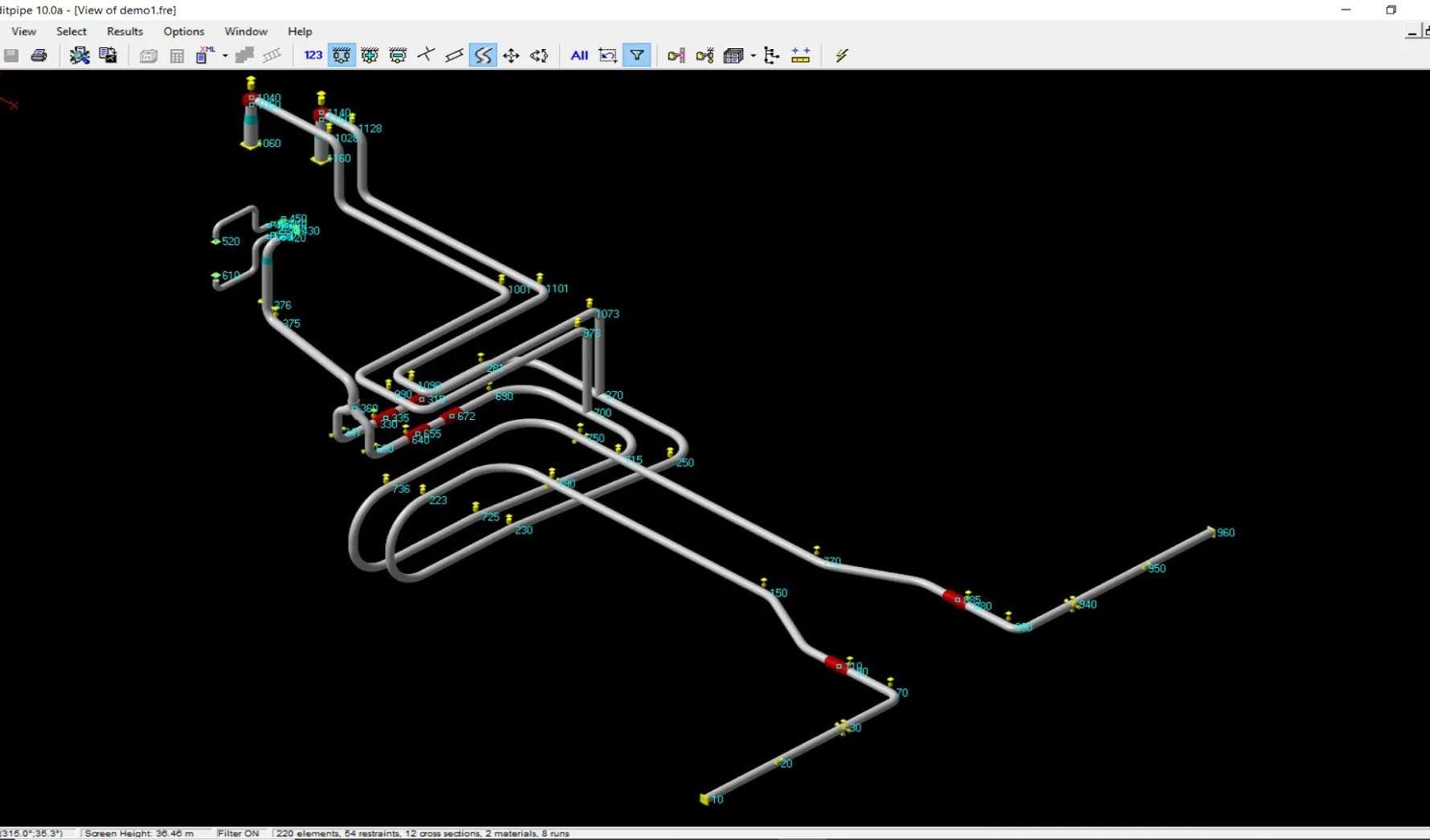
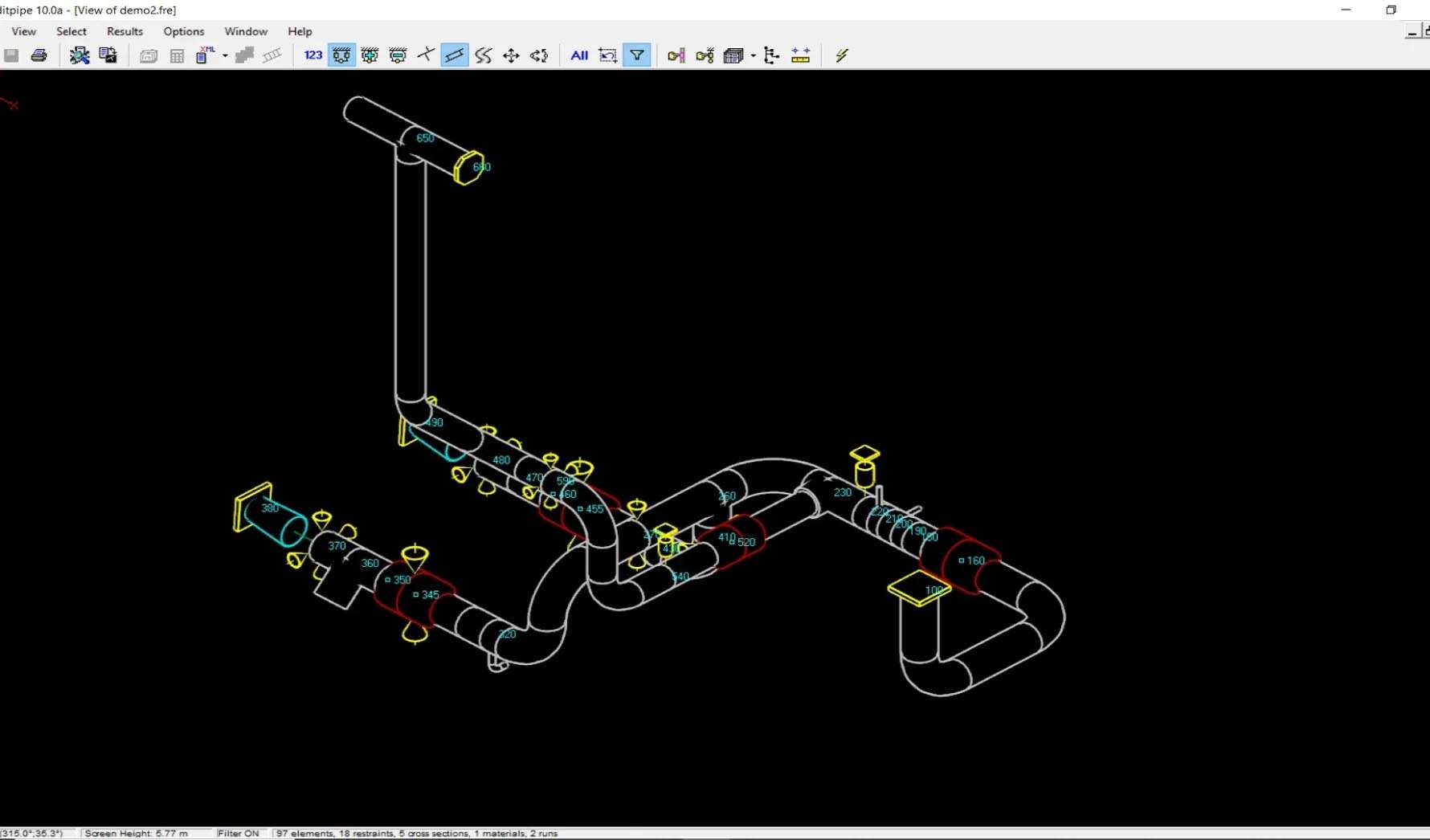
Hexagon PIPESTRESS 2025 v08 is a specialized piping stress analysis software developed by Hexagon AB, a prominent global technology company. This software plays a critical role in the process engineering sector, particularly within the oil & gas, petrochemical, power generation, and offshore engineering industries. It enables engineers to perform detailed stress analysis on complex piping systems, ensuring structural integrity and safety under various operational and environmental conditions. The software integrates seamlessly with Hexagon’s plant design solutions like Smart 3D, enhancing workflow efficiency for EPC engineers.
Overview of Hexagon PIPESTRESS in Process Engineering
Within process engineering, Hexagon PIPESTRESS is an industry-standard tool for analyzing the behavior of piping systems under stress. Its functionalities are crucial for ensuring that pipelines can withstand static and dynamic loads, thermal expansion, and internal pressures without failure. As part of Hexagon AB’s broader suite of engineering software, PIPESTRESS benefits from tight integration with leading CAD and plant design platforms, streamlining the transfer of design data and facilitating comprehensive analysis from initial concept through to detailed engineering. This makes it an indispensable asset for projects in demanding sectors such as oil & gas, petrochemical, power plants, offshore, and nuclear power.
Advanced Analysis Capabilities for Complex Piping Systems
Hexagon PIPESTRESS offers robust analytical functions designed to handle the complexities of modern industrial piping networks. The software enables detailed simulations that are vital for verifying system integrity and operational safety.
Static and Dynamic Load Simulation
The software facilitates comprehensive static stress analysis, accounting for loads such as internal pressure, weight, thermal expansion, and sustained operation. Additionally, it supports the simulation of dynamic loads including wind, seismic events, and operational vibrations, providing engineers with a complete picture of potential stresses and strains across the piping system.
Dynamic and Fluid Transient Analysis
Hexagon PIPESTRESS provides advanced dynamic analysis capabilities, including harmonic, spectrum, and time-history seismic analyses, which are essential for designing systems in seismically active regions or those subject to significant vibrations. Furthermore, its fluid transient analysis modules are adept at modeling phenomena like water hammer, crucial for safeguarding systems in the oil, gas, and water management industries.
Code Compliance and Engineering Standards Support
Adherence to industry standards and regulatory requirements is paramount in piping design. Hexagon PIPESTRESS is equipped to assist engineers in meeting these obligations through its extensive code compliance features.
The software includes built-in libraries that support numerous international piping codes, such as ASME B31.1, B31.3, EN 13480, and GOST. It automatically performs stress checks against these specified codes, flagging any deviations or potential violations. This automated verification process, combined with comprehensive reporting tools, significantly simplifies the task of ensuring regulatory compliance and facilitating project approvals, particularly in sectors like nuclear power and petrochemicals where standards are stringent.
Specialized Features for Real-World Engineering Challenges
Beyond fundamental stress analysis, Hexagon PIPESTRESS incorporates specialized modules and features to address unique real-world engineering challenges encountered in various industrial applications.
Soil-Structure Interaction and Buried Pipeline Analysis
For projects involving underground piping, the software provides capabilities for modeling soil-structure interaction. This includes analysis of buried pipelines and their behavior within trenches, considering factors like soil elasticity and external loads, which is critical for long-term durability and performance in oil & gas distribution networks.
Spring Hanger and Support Design Automation
Hexagon PIPESTRESS automates the critical process of designing and selecting pipe supports and hangers. It can automatically size supports based on the calculated loads and integrate with manufacturer catalogs to ensure proper component selection, optimizing support design and reducing manual effort in projects for power plants and chemical facilities.
Integration with Hexagon Design Ecosystem
A key differentiator for Hexagon PIPESTRESS is its seamless integration with Hexagon’s broader plant design and engineering software ecosystem. This includes direct connectivity with Hexagon Smart 3D and CADWorx, enabling engineers to import piping models directly, transfer design changes, and maintain consistency between the design and analysis phases of a project. This unified workflow enhances efficiency and reduces errors in complex plant projects.
What’s New in PIPESTRESS 2025 v08
The latest release, Hexagon PIPESTRESS 2025 v08, introduces several enhancements aimed at improving user experience, performance, and collaboration. These updates reflect ongoing development to keep the software at the forefront of piping stress analysis technology.
- Enhanced User Interface: Revamped UI elements and navigation for improved usability and workflow efficiency.
- Improved Solver Performance: Optimized meshing and solver algorithms lead to faster computation times for complex models.
- Expanded Material and Component Databases: Updated and enlarged libraries for materials, fittings, and supports to cover a wider range of project requirements.
- Advanced Reporting Capabilities: A more flexible and customizable reporting engine for detailed analysis summaries and compliance documentation.
- Cloud Collaboration Features: New capabilities supporting collaborative work and data sharing across distributed engineering teams.
Practical Applications and Industry Use Cases
Hexagon PIPESTRESS is utilized across a wide spectrum of industrial applications, where the integrity and safety of piping systems are paramount. Its advanced features cater to the specific demands of various engineering disciplines.
- Oil & Gas Pipeline Design: Verifying the structural integrity of pipelines for onshore and offshore oil and gas transportation under extreme temperature and pressure variations.
- Petrochemical Plant Piping Safety: Ensuring safe operation of complex piping networks in refineries and chemical plants, analyzing thermal expansion and pressure cycling.
- Offshore Topside Pipeline Stress Evaluation: Assessing stresses on pipelines located on offshore platforms, considering dynamic loads from wind, waves, and equipment vibration.
- Nuclear Plant Seismic Piping Analysis: Performing detailed seismic stress analysis for piping systems in nuclear power plants to ensure compliance with stringent safety regulations and withstand earthquake events.
- Power Generation Systems: Analyzing steam and water piping in conventional and renewable energy plants for thermal stresses and dynamic loads.
Frequently Asked Questions
How does Hexagon PIPESTRESS ensure compliance with international piping codes?
Hexagon PIPESTRESS includes built-in libraries for major international piping codes like ASME B31.1, B31.3, and EN 13480. It automatically performs stress checks and generates detailed compliance reports to adhere to regulatory standards, simplifying the verification process for engineers.
What types of load conditions can PIPESTRESS simulate for piping systems?
PI पेस्टress can simulate a wide range of static and dynamic loads, including thermal expansion, pressure, weight, wind, seismic events, and fluid transient phenomena such as water hammer. This comprehensive simulation capability helps engineers identify and mitigate potential failure points.
Can PIPESTRESS integrate with plant design software for streamlined workflows?
Yes, PIPESTRESS seamlessly integrates with Hexagon’s Smart 3D and CADWorx software, allowing engineers to import piping models directly and coordinate between design and stress analysis stages efficiently. This integration minimizes data transfer errors and accelerates the overall design process.




Reviews
There are no reviews yet.