

Download MSC MaterialCenter 2025.1 – Advanced Material Data Management for Simulation
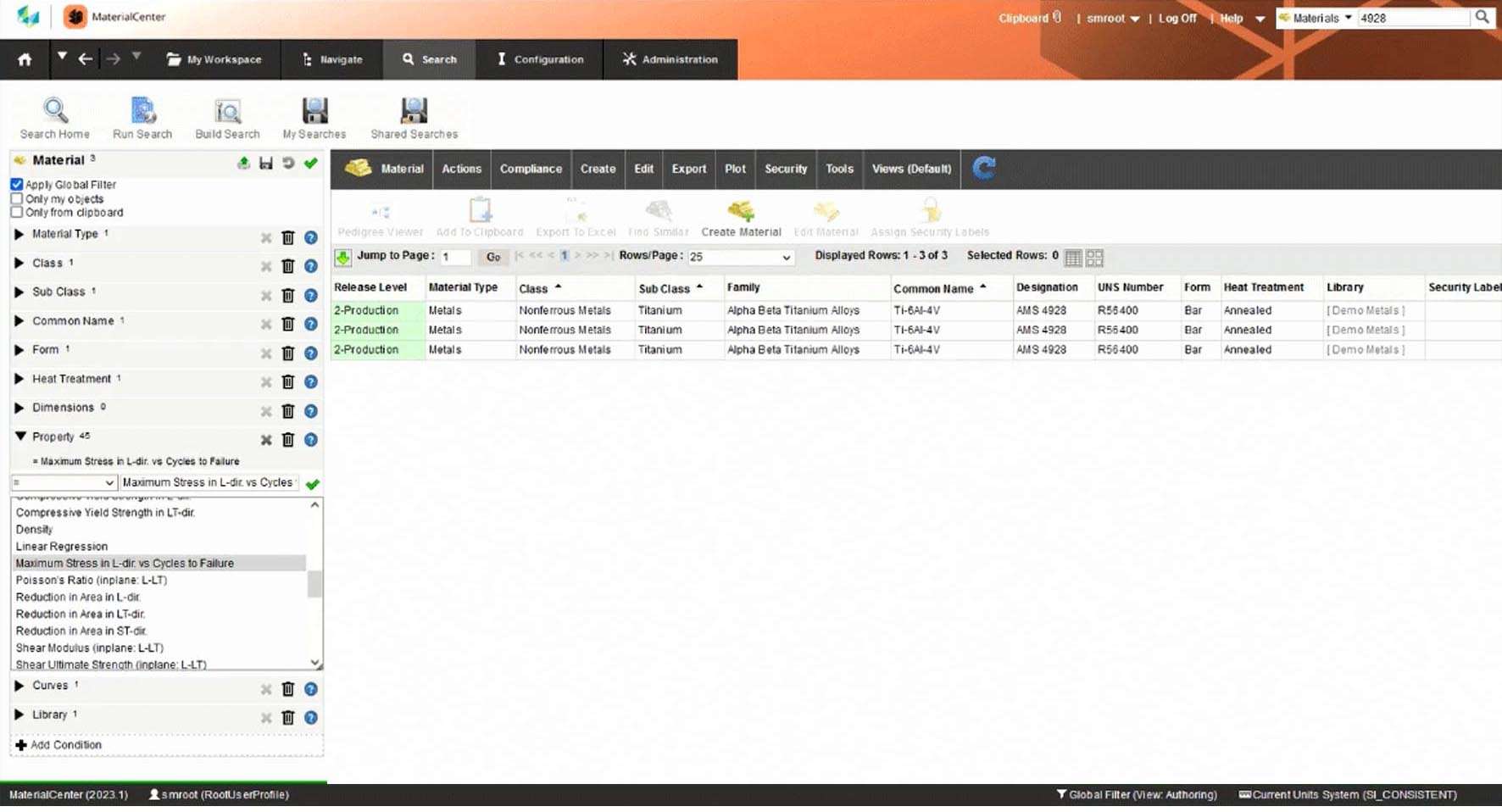
MSC MaterialCenter 2025.1 is an enterprise-level material information management system specifically engineered for the lifecycle management of material data within computer-aided engineering (CAE) simulations. Developed by MSC Software, a subsidiary of Hexagon AB and a prominent provider of simulation software, this system is crucial for manufacturing industries, particularly those in aerospace, automotive, and energy sectors, that rely on advanced material data for simulation accuracy. Its comprehensive capabilities support sophisticated material data governance, essential for modern engineering workflows.
Overview of MSC MaterialCenter and Its Role in Engineering Simulation
MSC MaterialCenter serves as a sophisticated material information management system (MIMS) designed to streamline the process of handling material data for CAE simulations. It addresses the complex requirements of managing diverse material properties, test results, and simulation models within a unified platform. This is particularly vital for industries like aerospace and automotive, where precise material behavior simulation is paramount for product safety and performance. MSC Software, with its deep roots in CAE and simulation technology, has developed MaterialCenter to integrate seamlessly into the broader engineering simulation ecosystem.
Comprehensive Material Data Lifecycle Management
Centralized Repository for Material Data
MaterialCenter consolidates all essential material information into a single, unified database. This repository securely stores everything from raw test certificates and detailed stress-strain data to S-N curves and calibrated material cards. By centralizing this data, the system ensures that engineers have access to the most accurate and relevant material properties for their specific simulation tasks across various CAE applications.
Version Control and Approval Workflows
The system employs robust version control mechanisms to track all revisions of material data, ensuring that engineers always use the approved and current versions. It supports distinct states for material data, such as “Draft” and “Released,” managed through structured electronic approval workflows. This systematic approach is fundamental for maintaining data integrity, adhering to quality standards, and ensuring compliance within regulated engineering environments.
Integration with Simulation Tools and Enterprise Systems
Multi-Solver Output and CAE Workflow Integration
A key capability of MSC MaterialCenter is its ability to generate solver-specific input files essential for popular CAE solvers. This includes formats compatible with MSC Nastran, Abaqus, and LS-DYNA, among others. The system often provides direct links or plugins for CAE preprocessors, enabling engineers to directly select and utilize validated material data within their simulation setups, thereby minimizing errors and enhancing simulation reliability.
PLM and ERP System Connectivity
MaterialCenter is designed for enterprise-wide deployment and facilitates seamless connectivity with Product Lifecycle Management (PLM) and Enterprise Resource Planning (ERP) systems. Through bi-directional interfaces with systems like Siemens Teamcenter, PTC Windchill, and Dassault Systèmes ENOVIA, it helps synchronize material data and associated part information. This integration ensures consistency across the enterprise and maintains critical data traceability throughout the product development lifecycle.
Traceability, Compliance, and Real-World Applications
The robust audit trail functionality within MSC MaterialCenter is a cornerstone of its compliance capabilities. It meticulously records every action taken on material data, tracing its lineage from initial test certification through to its application in simulations. This comprehensive traceability is vital for regulatory compliance and guarantees the accuracy of simulation results. Practical applications include detailed automotive crash analysis, advanced materials testing for aerospace components, and structural simulations within the energy sector, where material performance under extreme conditions is critical.
System Architecture and Performance Considerations
MSC MaterialCenter operates on a client-server architecture, designed for distributed access within large enterprises. Its performance relies on a well-configured database backend, with options often including enterprise-grade relational databases. Efficient networking is essential for optimal data transfer and user experience across client workstations. While specific system requirements may vary with deployment scale and customized configurations, the architecture supports scalability to manage extensive material data libraries and concurrent users.
Frequently Asked Questions
What types of material data does MSC MaterialCenter manage for simulations?
MSC MaterialCenter manages a wide range of material data including raw test data such as tensile and fatigue tests, stress-strain curves, S-N curves, and calibrated material models tailored for various CAE solvers. This ensures accurate and validated input for engineering simulations.
How does MSC MaterialCenter ensure the accuracy and traceability of material data?
The software provides version control, state tracking, and electronic approval workflows to maintain material data integrity. It also maintains a full audit trail linking simulation results back to specific material data versions and source test certificates, ensuring compliance and traceability.
Can MSC MaterialCenter integrate with other CAE software and enterprise systems?
Yes, MSC MaterialCenter integrates directly with major CAE solvers like MSC Nastran, Abaqus, and LS-DYNA through plugins, and also connects with PLM systems such as Teamcenter, Windchill, and Enovia to synchronize material and part information throughout the product lifecycle.






Reviews
There are no reviews yet.