

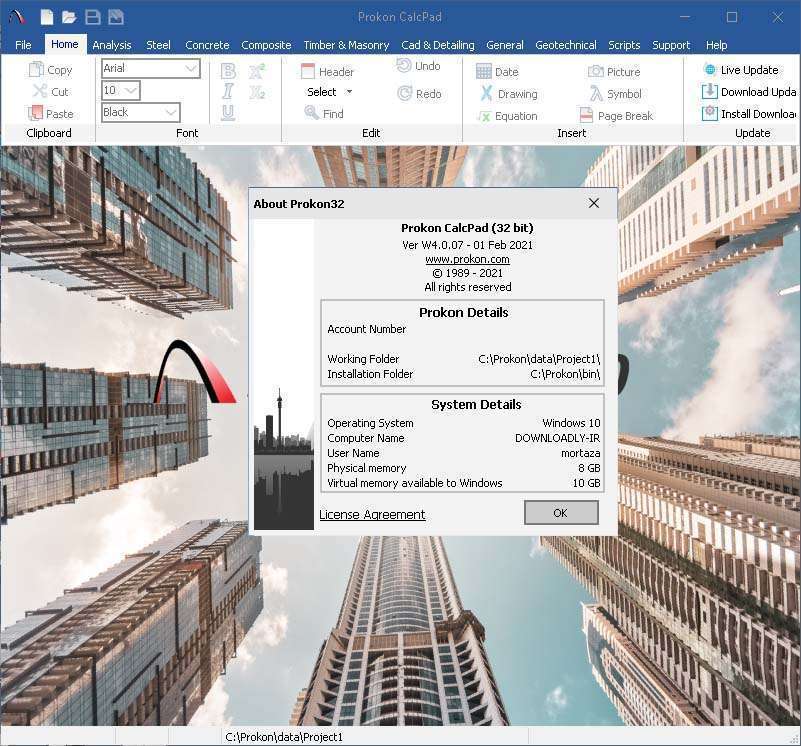
Download PROKON 5.0 – Premier Software for Structural Analysis and Design
PROKON 5.0 is a comprehensive suite of structural analysis and design software developed by PROKON Software Consultants. Designed for structural and civil engineers, this powerful application has been a staple in the industry since 1989, providing robust solutions for complex engineering challenges across numerous countries. It offers a modular approach to structural engineering tasks, supporting a streamlined workflow from initial analysis to detailed design.
Introduction to PROKON
Overview and Historical Context
PROKON originated in 1989 and has since evolved into a significant tool for the civil and structural engineering sectors. Developed by PROKON Software Consultants, the software is recognized for its foundational role in providing structural analysis and design solutions. Its long history attests to its sustained relevance and adaptability in meeting the demands of modern engineering practices worldwide.
Key Modules and Functionalities
Structural Analysis and Design Capabilities
PROKON 5.0 offers a wide array of specialized modules designed to cover various aspects of structural engineering. These tools facilitate detailed structural analysis and robust design, catering to the intricate requirements of complex projects. The software is built to support engineers in delivering safe and efficient structural designs.
- Frame Analysis: Capabilities for analyzing two-dimensional and three-dimensional frames, calculating member forces, displacements, and reactions.
- Finite Element Analysis (FEA): Advanced tools for modeling complex geometries and material behaviors, enabling detailed stress and strain analysis under various loading conditions.
- Steel Design Modules: Tools for the design and checking of steel members according to international codes, including connections, beams, columns, and bracing.
- Concrete Design Modules: Specialized functions for reinforced concrete design, such as beams, slabs, columns, and foundations, ensuring compliance with relevant design standards.
Workflow Efficiency with Integrated Modules
A key strength of PROKON lies in its highly integrated modular design, which significantly enhances workflow efficiency for engineers. This integration allows for seamless data transfer between different analysis and design stages, reducing manual input and potential errors. Engineers can transition smoothly from structural analysis to component design without interrupting their workflow.
- Automatic Force Input: Forces and moments calculated from analysis modules (like Frame or FEA) can be automatically transferred to relevant design modules, such as Concrete Base Design or Steel Member Design.
- Data Sharing Capabilities: Information and results from one module can be readily accessed and utilized in others, creating a cohesive design environment.
- Streamlined Design Process: The interconnectedness of modules ensures that design is a continuous process, allowing for faster iterations and optimization of structural solutions.
Real-World Applications in Civil Engineering
PROKON structural analysis software is applied across a broad spectrum of civil engineering projects, demonstrating its versatility and reliability. Its comprehensive features enable engineers to tackle diverse design challenges, from large-scale infrastructure to intricate building structures. The software supports the development of safe, economical, and compliant designs tailored to specific project needs.
- Infrastructure Projects: Used in the design of bridges, tunnels, retaining walls, and other critical civil infrastructure, ensuring structural integrity and longevity.
- Building Structures: Essential for the analysis and design of commercial, industrial, and residential buildings, including the structural framework, floor systems, and facade elements.
- Specialized Structures: Applicable to the design of unique structures such as stadiums, high-rise buildings, and industrial plants where complex load conditions and geometries are prevalent.
Industry Recognition and Global Usage
PROKON has established a significant global presence, utilized by engineering professionals in over 80 countries. This widespread adoption highlights its reputation as a dependable and effective tool within the international engineering community. Its continued relevance in modern engineering practices is a testament to its robust capabilities and ongoing development.
Comparative Analysis with Other Software
Compared to other structural engineering software, PROKON distinguishes itself through its deeply integrated modular system. While many applications offer separate analysis and design functionalities, PROKON’s architecture prioritizes seamless data flow between these stages. This integration is a key differentiator, enabling a more cohesive and efficient design workflow, whereas some competing software may require more manual effort to connect analysis results to design checks.
Frequently Asked Questions
What are the main features of PROKON 5.0?
PROKON 5.0 includes a robust set of capabilities for frame and finite element analyses, design of steel components according to international standards, and specialized modules tailored for concrete design. These features provide comprehensive coverage for a wide range of structural analysis and design requirements.
How does PROKON integrate its modules for efficient design?
PROKON’s modules are designed to operate either independently or in tandem, enabling seamless data exchange and creating an efficient design environment. For instance, results from the Frame Analysis module, such as calculated forces, can be automatically transferred and utilized within interconnected modules like the Concrete Base Design module, significantly streamlining the overall design process.
Who typically uses PROKON software?
PROKON software is primarily utilized by structural engineers, designers, and technicians operating within the civil engineering field. It serves as a vital tool for those responsible for performing detailed analysis and developing designs for a wide variety of structures, ensuring safety and compliance.




Reviews
There are no reviews yet.