
Download Schneider Electric SoMachine 4.1 – Comprehensive Automation Software for Industrial Applications
Schneider Electric SoMachine 4.1 is a powerful software suite developed by Schneider Electric SE, specifically engineered for industrial automation and control systems. This application provides a unified environment designed to integrate diverse automation functions, catering to professionals in electrical and electronics engineering fields. Its core purpose is to enhance productivity and streamline complex automation project development within industries such as discrete manufacturing, water treatment, and building automation.
Introduction to Schneider Electric SoMachine
Overview and Applications in Industry
Schneider Electric SoMachine represents a comprehensive software solution for industrial automation, consolidating essential functionalities into a single platform. This integration makes it a valuable tool for developing sophisticated automation systems. The software supports various applications across numerous sectors, underscoring Schneider Electric’s commitment to delivering robust automation solutions for diverse operational needs. Its architecture is built to handle the complexities inherent in modern industrial control engineering.
Core Functionalities of SoMachine 4.1
Automating Logic and Motion Control
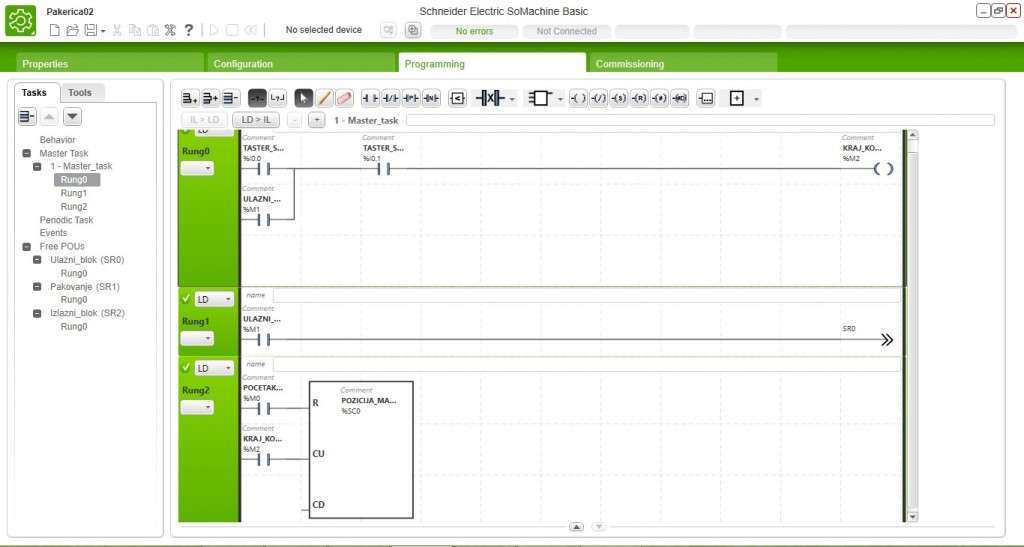
SoMachine 4.1 provides robust capabilities for both logic programming and motion control, essential for sophisticated automation tasks. Engineers can leverage these integrated functions to develop precise and responsive automated systems. The software allows for detailed configuration and programming of sequences, interlocks, and intricate motion profiles, ensuring optimal performance and reliability in industrial settings. This dual focus on logic and motion control makes it a versatile tool for complex machinery and processes.
Integrating HMI and Networked Automation Features
Human-Machine Interface and Connectivity
Enhancing user interaction with automated systems, SoMachine 4.1 incorporates comprehensive Human-Machine Interface (HMI) functionalities. This allows operators to monitor, control, and interact with machinery and processes through intuitive graphical interfaces. The software also supports seamless integration with networked automation features, facilitating robust communication between different components of the automation system and external devices. This connectivity is crucial for centralized monitoring and operational management.
Predefined Templates and Libraries for Efficiency
Streamlining the Engineering Process
A significant advantage of SoMachine 4.1 lies in its extensive use of predefined templates and libraries, designed to accelerate the engineering process. These resources enable users to configure and program automation systems more rapidly, leading to substantial time and cost savings. By providing pre-built components and configurations, the software reduces the need for manual setup, allowing engineers to focus on project-specific logic and customization. This approach is key to optimizing the overall engineering workflow.
Compatibility and Flexibility in Controller Management
Managing Versions and Hardware Integration
SoMachine 4.1 offers remarkable flexibility in controller management, allowing users to run multiple versions of the software in parallel. This capability ensures compatibility across a range of controllers and simplifies the transition between different hardware configurations. Engineers can efficiently manage and switch between systems, which is particularly beneficial in environments with diverse or evolving automation hardware. This adaptability is a critical differentiator for complex industrial automation projects.
Real-World Applications and Use Cases
Solutions across Industries
Schneider Electric SoMachine 4.1 finds extensive application across various industries, demonstrating its versatility and robust capabilities. In discrete manufacturing, it is used for programming complex machinery and production lines. For water treatment facilities, it helps automate critical processes and monitor environmental parameters effectively. Furthermore, in building automation, SoMachine contributes to efficient control of HVAC systems, lighting, and security, showcasing its broad applicability in diverse industrial and commercial settings.
Conclusion and User Guidance
Schneider Electric SoMachine 4.1 stands as a powerful, integrated software solution for modern industrial automation challenges. Its comprehensive functionalities, from logic and motion control to HMI integration and networked features, provide engineers with a versatile platform. The utilization of predefined templates and libraries, coupled with flexible controller management, significantly enhances the engineering process. Professionals seeking to optimize their automation systems will find SoMachine 4.1 to be an invaluable asset for developing efficient and reliable control solutions across numerous industries.
Frequently Asked Questions
What is the primary function of Schneider Electric SoMachine 4.1?
Schneider Electric SoMachine 4.1 is a comprehensive software suite designed for industrial automation, providing integrated capabilities for logic programming, motion control, and HMI. It aims to enhance productivity by streamlining the engineering process across various industries with its unified platform.
How does SoMachine improve efficiency in industrial automation?
SoMachine improves efficiency by utilizing predefined templates and libraries, allowing engineers to save time and reduce costs when configuring and programming automation systems. Its unified environment facilitates smooth implementation of various automation tasks, from basic logic to complex motion control.
Can SoMachine 4.1 manage multiple controller versions?
Yes, SoMachine 4.1 supports the ability to run multiple versions in parallel, which ensures compatibility among different controllers and simplifies the process of transitioning from one hardware configuration to another. This flexibility is crucial for engineers working with diverse automation setups.



Reviews
There are no reviews yet.