

Download SoftGenetics Mutation Surveyor 5.1.2 – Advanced DNA Mutation Detection Software
SoftGenetics Mutation Surveyor 5.1.2 is a specialized bioinformatics application developed by SoftGenetics LLC, designed for the automated detection and analysis of DNA mutations. This DNA mutation detection tool is crucial for professionals in clinical genetics, molecular diagnostics, and cancer research who rely on precise analysis of DNA sequencing chromatograms. By employing advanced algorithms, Mutation Surveyor aids in identifying genetic variations essential for diagnostic and research purposes.
Overview of Mutation Surveyor in Molecular Genetics
Mutation Surveyor has established itself as a vital component in the workflow of molecular genetics laboratories. It automates the complex process of analyzing DNA sequencing data, providing reliable identification of genetic alterations. This utility is particularly important for molecular geneticists, bioinformaticians, and cancer researchers who need to accurately screen and validate mutations within large datasets. The software is designed to streamline the analysis of both Sanger and Next-Generation Sequencing (NGS) data, making it a versatile tool for diverse research and clinical applications.
Automated Mutation Detection and Analysis Capabilities
The core functionality of Mutation Surveyor lies in its sophisticated capabilities for automated mutation detection. It processes raw sequencing data to identify and characterize genetic variants with high precision, supporting critical research and diagnostic workflows.
Variant Detector™ Algorithm
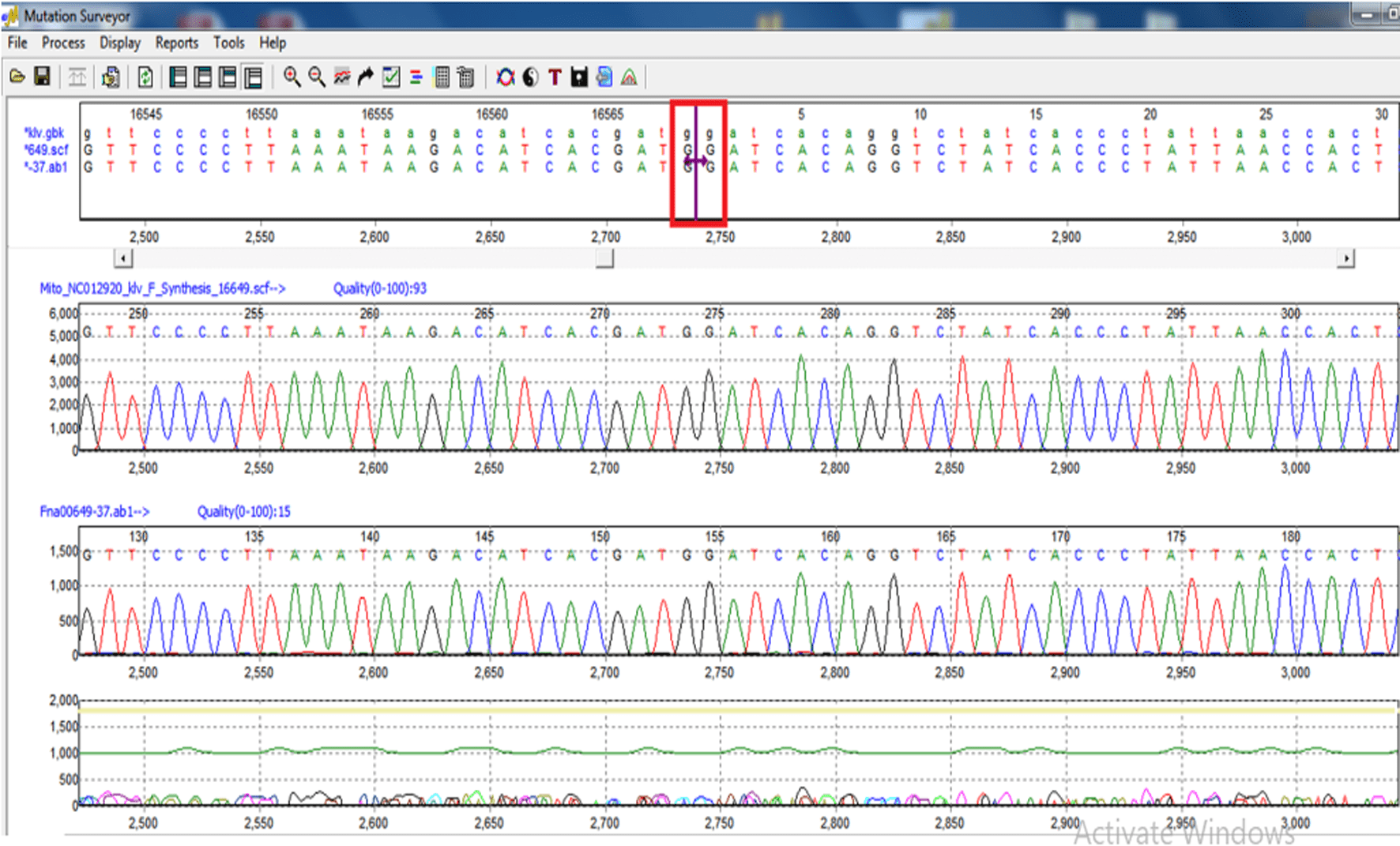
Mutation Surveyor utilizes its proprietary Variant Detector™ algorithm to perform automated trace alignment and high-confidence mutation calling. This specialized engine is engineered to meticulously compare sample sequencing data against reference sequences, ensuring accurate identification of genetic discrepancies.
Types of Mutations Detected
The software is adept at identifying a broad spectrum of DNA alterations critical for genetic analysis. Its sensitivity allows for the detection of various mutation types, including those that may be present at lower frequencies within a sample population.
- Single Nucleotide Polymorphisms (SNPs): Detection of single base substitutions.
- Insertions and Deletions (Indels): Identification of additions or losses of nucleotide sequences.
- Heterozygous and Homozygous Variants: Distinguishing between one or two copies of an altered allele.
- Low-level Mosaicism: High sensitivity to detect mutations present in a subset of cells, crucial for cancer and mitochondrial DNA research.
Microsatellite Instability (MSI) Module
A specialized module within Mutation Surveyor is dedicated to Microsatellite Instability (MSI) analysis. This feature is particularly valuable for cancer genomics, enabling the detection of alterations in repetitive DNA sequences that are characteristic of certain tumor types and serve as important biomarkers.
Integration with Next-Generation Sequencing (NGS) and Databases
Enhancing its utility, Mutation Surveyor integrates seamlessly with modern sequencing technologies and extensive genetic information resources. This integration ensures that variant analysis is both comprehensive and contextually relevant for clinical and research applications.
The software supports the analysis of Next-Generation Sequencing (NGS) data, specifically by enabling the import and validation of variant call files (VCF). This capability allows researchers to cross-reference findings from high-throughput sequencing platforms with more targeted Sanger sequencing results, providing a robust method for mutation verification and confirmation of novel variants identified through NGS.
Updated Reference Databases
Mutation Surveyor leverages up-to-date reference databases for variant annotation, which is critical for interpreting the clinical significance of detected mutations. The inclusion of current data from sources such as dbSNP and ClinVar assists researchers and clinicians in understanding the potential impact of genetic variations.
Batch Processing, Reporting, and Project Management Features
Designed for high-throughput laboratory environments, Mutation Surveyor offers robust features for managing and analyzing large volumes of sequencing data efficiently. The software’s project-oriented interface and automated tools are tailored to streamline complex analytical workflows.
Automated batch processing allows for the simultaneous analysis of numerous samples, significantly reducing the time required for high-throughput screening. The comprehensive project browser interface provides an organized system for sample management, facilitating easy navigation and tracking of multiple sequencing projects. Detailed reporting capabilities generate clear, informative outputs suitable for integration into clinical documentation and research publications.
Use Cases and Industry Applications
Mutation Surveyor finds critical applications across various domains within biotechnology and medicine, serving essential functions in both diagnostic and research settings. Its advanced analytical capabilities make it indispensable for specific studies and routine laboratory procedures.
- Clinical Diagnostics: Assisting in the identification of disease-causing mutations for genetic disorder diagnosis.
- Cancer Research: Analyzing tumor samples for mutations, including microsatellite instability, to understand cancer progression and identify therapeutic targets.
- Molecular Pathology: Investigating genetic alterations associated with disease states at the molecular level.
- Mitochondrial DNA Analysis: Detecting low-level mosaic mutations in mitochondrial DNA, which are important in aging and certain genetic diseases.
- Genomics Core Facilities: Providing a reliable tool for validating sequencing data and supporting diverse research projects within academic and industrial settings.
Frequently Asked Questions
How does Mutation Surveyor improve accuracy in mutation detection compared to manual analysis?
Mutation Surveyor uses proprietary algorithms to automatically compare sample and reference sequencing traces, reducing human error and increasing sensitivity to detect low-level mutations such as mosaicism. Its automated variant calling highlights discrepancies that might be missed in manual reviews, enhancing accuracy and efficiency.
Can Mutation Surveyor analyze data from Next-Generation Sequencing platforms?
Yes, Mutation Surveyor supports Next-Generation Sequencing (NGS) data by importing and validating variant call files (VCF) through comparison with traditional Sanger sequencing results to ensure mutation verification and confirm novel variants.
What are the main mutation types that Mutation Surveyor can detect?
Mutation Surveyor detects various mutation types including single nucleotide polymorphisms (SNPs), insertions, deletions, and indels, with particular sensitivity to heterozygous and homozygous variants as well as low-level mosaic mutations.







Reviews
There are no reviews yet.