
Download Well Evaluation Model 11.2 – Advanced Production Analysis Software
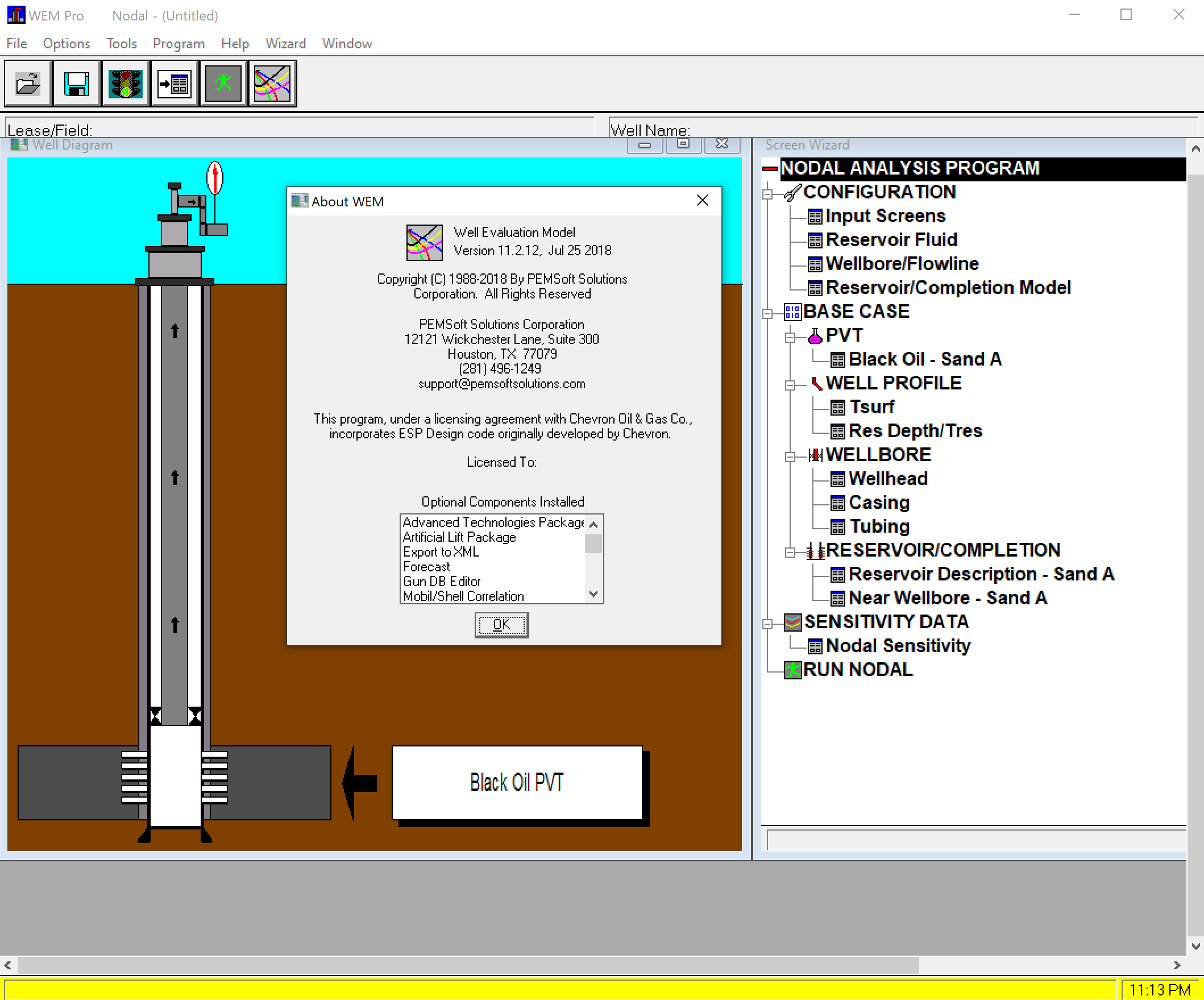
Well Evaluation Model 11.2 (WEM), developed by PEMSoft Solutions, is a specialized application engineered for the oil and gas industry. It serves as a critical tool for professionals engaged in production systems analysis, artificial lift design, and reservoir forecasting. This software is designed to enhance the understanding and management of oilfield well performance, directly contributing to operational efficiency and output optimization.
Introduction to Well Evaluation Model 11.2
Overview of the Software and its Development
Well Evaluation Model 11.2 is a sophisticated software solution tailored to address the complex challenges within oil and gas production operations. Developed by PEMSoft Solutions, WEM focuses on providing in-depth analysis of well performance and production systems. Its core functionalities are essential for managing oilfield assets, optimizing extraction rates, and ensuring the economic viability of wells throughout their lifecycle. The model’s design aims to integrate various analytical processes into a cohesive platform for engineers.
Capabilities and Features of WEM
Production Systems Analysis
WEM offers robust capabilities for production systems analysis, a crucial discipline for maximizing hydrocarbon recovery. The software allows engineers to model and simulate the entire flow path from the reservoir to the surface. This includes detailed analysis of reservoir characteristics, wellbore performance, and surface facilities. By understanding these interconnected components, users can identify bottlenecks, evaluate the impact of operational changes, and implement strategies to optimize overall well output and maintain consistent production levels.
Artificial Lift Design and Optimization
Integration with Well Performance Data
The software provides advanced tools for artificial lift design and optimization, directly impacting well productivity. WEM integrates comprehensive well performance data to facilitate the selection and design of appropriate artificial lift systems, such as electric submersible pumps (ESPs) or gas lift. These designs are not static; WEM’s capabilities allow for dynamic adjustment based on evolving reservoir conditions and production goals, ensuring that the artificial lift system operates efficiently to meet specific performance targets and extend the productive life of wells.
Real-World Applications and Success Stories
Case Studies from Global Oil Fields
Well Evaluation Model 11.2 has been instrumental in driving significant improvements across various global oil fields. Case studies demonstrate its application in optimizing production rates for marginal wells, designing tailored artificial lift solutions for challenging formations, and improving the accuracy of production forecasts. By leveraging WEM’s analytical power, operators have achieved notable increases in hydrocarbon recovery, reduced operational costs, and made more informed decisions regarding field development and management.
Perforating Strategy and Well Flow Predictions
The Role of Perforating in Well Performance
The design and execution of perforating strategies play a vital role in well performance, directly influencing inflow and subsequent production. WEM aids engineers in developing optimal perforating designs by modeling reservoir rock properties and fluid flow characteristics. The software helps predict how different perforation configurations—such as depth, density, and shot density—will affect wellbore flow and overall deliverability, enabling the selection of strategies that maximize reservoir contact while minimizing formation damage and flow impairment.
Forecasting Tools and Production Predictions
Methodologies for Rate vs. Time Analysis
WEM incorporates sophisticated forecasting tools essential for long-term production planning and asset management. The software employs advanced methodologies for rate versus time analysis, allowing engineers to predict future production scenarios based on historical data, reservoir characteristics, and planned operational interventions. These predictions are critical for making informed decisions about well workovers, artificial lift adjustments, and overall field development strategies, enhancing productivity and economic forecasting.
Conclusion and Future Directions
Enhancements in Oil and Gas Engineering
Well Evaluation Model 11.2 stands as a testament to the advancements in production systems analysis within the oil and gas engineering sector. Its integrated approach to well evaluation, artificial lift design, and forecasting provides a powerful advantage for optimizing production and managing assets effectively. As the industry continues to evolve, WEM is poised to remain a vital tool, with potential future enhancements likely focusing on further AI integration for predictive maintenance and more dynamic real-time operational adjustments.
Frequently Asked Questions
What is the Well Evaluation Model 11.2 used for?
The Well Evaluation Model 11.2 is used for analyzing well performance, optimizing production systems, and providing insights into artificial lift design and reservoir forecasting within the oil and gas industry. It helps engineers understand and manage various aspects of well productivity.
How does WEM improve oil and gas production?
WEM enhances oil and gas production by offering advanced analysis capabilities for well deliverability and enabling effective artificial lift designs that respond to specific production goals. This allows for more efficient extraction and sustained output from wells.
Can WEM be used for forecasting production performance?
Yes, WEM includes forecasting tools that utilize reservoir characterization and initial well data to predict production rates over time. This capability enables proactive management strategies and more accurate long-term planning for oilfield operations.




Reviews
There are no reviews yet.