
Download Aedes PCM 2025 – Advanced Structural BIM Software
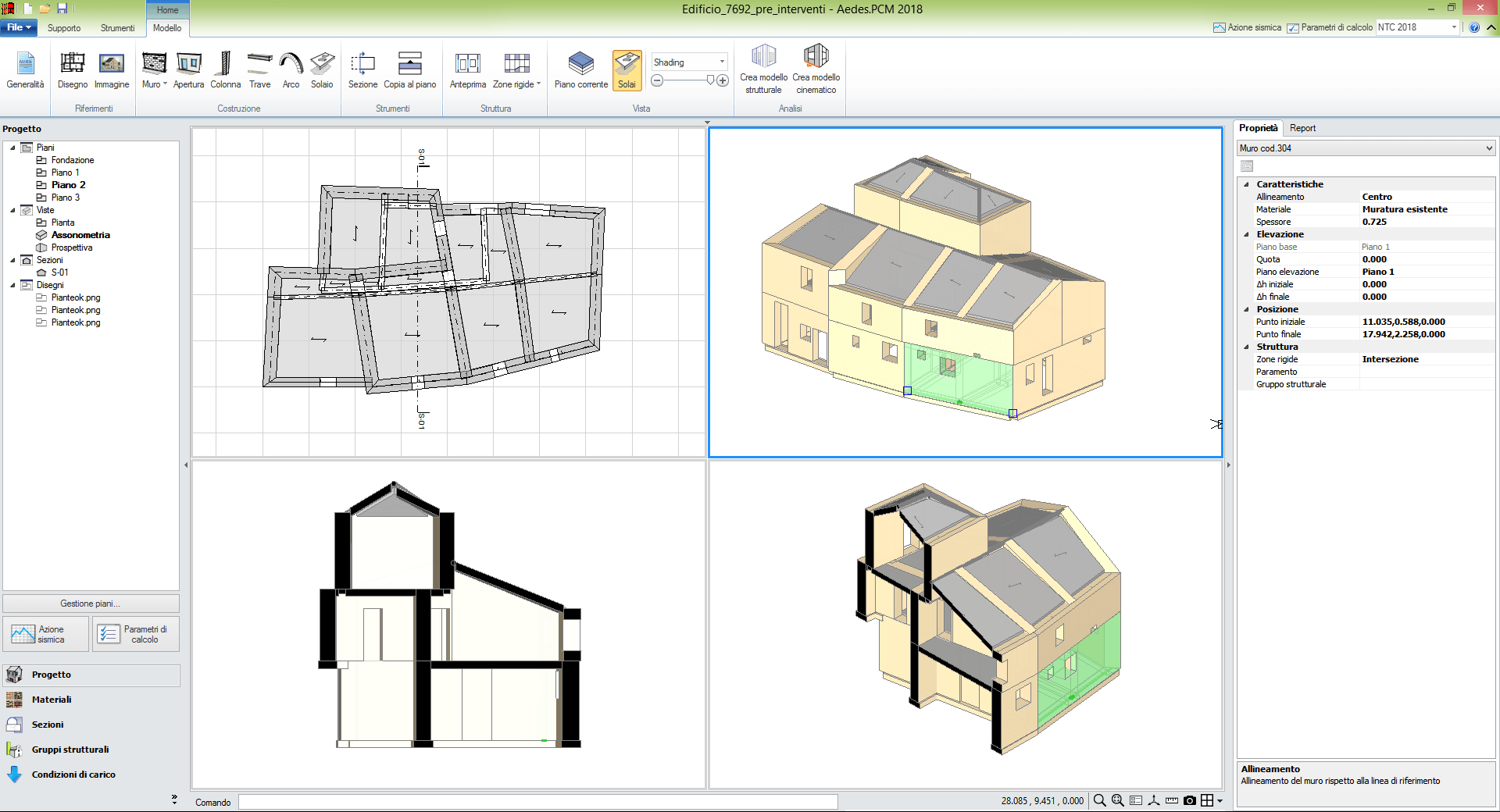
Aedes PCM 2025 is an advanced structural BIM (Building Information Modeling) software developed by Aedes, specifically engineered for the disciplines of architecture, civil engineering, and construction. This parametric CAD software is tailored for the unique demands of masonry building design, incorporating sophisticated tools for both 2D and 3D modeling, alongside critical structural analysis capabilities.
Introduction to Aedes PCM 2025
Aedes PCM 2025 represents a specialized solution within the realm of structural engineering software. It is designed to facilitate the entire lifecycle of masonry building projects, from initial conceptualization to detailed structural analysis. By leveraging BIM technology, the software creates intelligent models that go beyond mere geometry, offering comprehensive data for structural performance evaluation, particularly concerning seismic safety.
Core Features of Aedes PCM 2025
The software offers a robust set of functionalities designed to streamline the structural design process for masonry construction. Its capabilities are centered around precision, analysis, and safety assurance.
- Parametric Modeling: Enables the creation of intelligent 2D and 3D models where design elements are linked and automatically update based on defined parameters, ideal for complex masonry structures.
- Static and Seismic Safety Checks: Integrates advanced analysis tools to perform static load calculations and crucial seismic safety assessments, ensuring compliance with building codes and structural integrity.
- Masonry-Specific Design Tools: Features tailored for the nuances of masonry construction, allowing for accurate representation and analysis of materials like bricks, blocks, and stone.
- BIM Integration: Operates within a BIM framework, facilitating data exchange and collaboration across different project disciplines.
Applications in Construction and Architecture
Aedes PCM 2025 is a vital tool for professionals working on projects involving masonry construction. Its application spans across various stages of the building process, ensuring that structural integrity is maintained and design intent is accurately translated into the built form.
- Structural Design for Masonry Buildings: Used for the complete structural design of residential, commercial, and public buildings constructed with masonry.
- Seismic Retrofitting and Analysis: Essential for evaluating existing masonry structures for seismic vulnerability and designing appropriate retrofitting measures.
- Architectural Modeling for Structural Engineers: Allows architects and engineers to collaboratively develop detailed 3D models that inform structural design decisions.
- Construction Planning: Provides detailed structural information that aids in the precise execution of construction plans for masonry elements.
Compatibility and Integration
To foster collaboration and leverage existing design workflows, Aedes PCM 2025 is designed with interoperability in mind. The software supports common industry file formats, facilitating a smooth exchange of data between different AEC (Architecture, Engineering, Construction) applications.
This structural BIM software supports various essential data formats, enabling seamless integration with other architectural modeling tools, structural analysis packages, and construction management software. This ensures that design data is consistent and accessible throughout the project lifecycle, supporting collaborative workflows effectively.
Case Studies and User Feedback
While specific case studies and direct testimonials for Aedes PCM 2025 are not detailed in the provided research, the software’s specialized focus on masonry structures and seismic safety places it in a unique position within the structural engineering and BIM software market. Professionals using such tools often highlight the value of integrated analysis and modeling capabilities in reducing design errors and improving project outcomes.
Users typically benefit from the ability to perform critical structural calculations and safety checks directly within their modeling environment. This approach is invaluable for projects where the durability and safety of masonry construction are paramount, especially in seismically active regions.
Future Developments and Updates
The evolution of BIM software is closely tied to advancements in computing power, material science, and regulatory standards. For Aedes PCM 2025, future developments are likely to focus on enhancing its already specialized capabilities for masonry design and structural analysis.
Potential enhancements may include expanded libraries of masonry materials and connections, advanced algorithms for dynamic seismic analysis, and further integration with cloud-based collaboration platforms. Staying abreast of evolving building codes and sustainability requirements will also likely guide the software’s future updates, ensuring it remains a leading solution for structural BIM in masonry construction.
Frequently Asked Questions
What is Aedes PCM 2025 primarily used for?
Aedes PCM 2025 is primarily used for the design and analysis of masonry buildings, providing structural BIM capabilities for enhanced safety assessments and design accuracy. It offers parametric CAD tools for both 2D and 3D modeling, specifically optimized for the complexities of masonry structures.
How does Aedes PCM ensure structural safety in designs?
Aedes PCM includes features for static and seismic safety checks, enabling engineers to evaluate the robustness of their structure throughout the design process. This allows for proactive identification and mitigation of potential structural risks according to industry standards.
Can Aedes PCM 2025 integrate with other design software?
Yes, Aedes PCM 2025 supports various file formats, allowing for seamless integration with other architectural and engineering design tools, enhancing collaborative workflows. This interoperability ensures that data can be efficiently shared across different software platforms used in a project.






Reviews
There are no reviews yet.