

Download HydroCAD 2026 v10.2-8a – Advanced Stormwater Hydrology & Hydraulic Modeling Software
HydroCAD 2026 v10.2-8a is a specialized Windows-based engineering application designed for comprehensive stormwater hydrology and hydraulic analysis. Developed by HydroCAD Software Solutions, this software is crucial for professionals in civil engineering, water resources engineering, and environmental consulting who are involved in designing and modeling stormwater management systems. Its primary function is to assist users in accurately calculating watershed runoff, routing it through various hydraulic structures, and ensuring compliance with stringent regulatory standards for land development and water resource management.
Overview of HydroCAD and Its Role in Environmental Engineering
HydroCAD serves as a cornerstone for stormwater management, enabling engineers to address complex challenges related to watershed runoff and hydraulic flow. The software is engineered to support the entire lifecycle of stormwater infrastructure design, from initial watershed delineation and runoff estimation to the detailed routing of storm events through detention ponds, culverts, and channels. Its emphasis on regulatory compliance makes it an essential tool for navigating municipal, state, and federal water management requirements in projects ranging from small site developments to large-scale urban planning.
Hydrologic and Hydraulic Modeling Capabilities
Watershed Modeling Methods
HydroCAD supports a range of widely accepted hydrologic methods for calculating surface runoff from watersheds. These methodologies ensure flexibility and accuracy in modeling diverse land surfaces and rainfall characteristics. Users can select the most appropriate method based on project requirements and local standards.
- SCS TR-20/TR-55: Utilizes the Natural Resources Conservation Service (NRCS) runoff equation and graphical techniques for estimating peak discharge and runoff volumes.
- Santa Barbara Urban Hydrograph (SBUH): Provides a method suitable for urban environments, accounting for varying soil types and imperviousness.
- Rational Method: A simplified approach commonly used for smaller drainage areas, correlating rainfall intensity with runoff coefficient and drainage area size.
These methods form the basis for analyzing potential storm impacts, allowing engineers to quantify runoff volumes and peak flows that must be managed through engineered solutions such as detention systems.
Pond and Hydraulic Structure Design
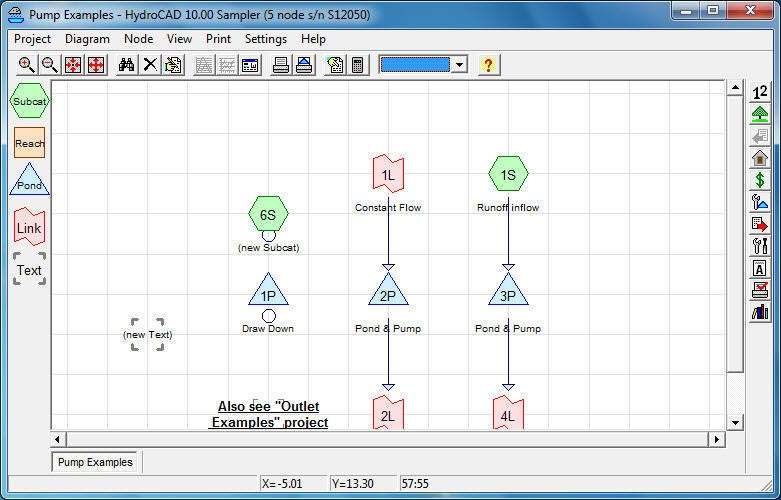
Beyond runoff calculation, HydroCAD excels in simulating the flow dynamics of water through engineered structures. The software facilitates the design and analysis of detention and retention ponds, culverts, and other flow control devices. It enables users to visualize and analyze the behavior of hydrographs as they are routed through complex networks of structures.
- Hydrograph Routing: Simulates the flow of storm runoff through ponds, lakes, and reservoirs, considering storage volumes and outlet configurations.
- Device Library: Includes a comprehensive library of standard outlet devices such as orifices, weirs, and inlets, allowing for their automatic sizing based on design criteria.
- Culvert Analysis: Performs hydraulic calculations for various culvert types, including single, multiple, and bypass culverts, to ensure proper flow capacity and prevent undue upstream flooding.
- Channel Design: Supports the modeling and analysis of open channels and natural stream systems to assess flow velocities and water surface elevations.
These capabilities empower engineers to design effective stormwater Best Management Practices (BMPs) that meet performance objectives and environmental standards.
Visualization, Reporting, and Regulatory Compliance Features
HydroCAD is equipped with robust features for visualizing model results and generating detailed reports essential for regulatory review and project documentation. The software translates complex data into easily understandable graphical representations and formatted reports that align with typical municipal submission requirements.
- Graphical Outputs: Provides visual aids such as hydrographs, pond stage-discharge-storage curves, and pond profiles to illustrate flow dynamics and system performance.
- Detailed Reporting: Generates comprehensive reports that include input parameters, calculation summaries, and output data, formatted to meet the standards of various regulatory agencies.
- Regulatory Alignment: Incorporates updated references and calculation methodologies that support compliance with current local, state, and federal stormwater management regulations.
These elements streamline the approval process by providing clear, defensible documentation for engineering designs.
Recent Improvements and Integration Enhancements in HydroCAD 2026
The 2026 v10.2-8a release of HydroCAD incorporates several key updates aimed at enhancing user experience, improving accuracy, and expanding interoperability. These enhancements reflect ongoing development to keep the software current with industry needs and technological advancements.
- Updated Regulatory References: The latest release features updated links and information pertinent to current stormwater management regulations, ensuring designs remain compliant.
- Improved CAD and GIS Interoperability: Enhanced data import and export capabilities facilitate smoother integration with popular CAD and GIS platforms, improving workflow efficiency for engineers.
- Refined Culvert Hydraulics: Calculations for culvert hydraulics have been refined to provide greater accuracy and reliability in analyzing flow through these critical structures.
- User Interface Polishing: Minor adjustments and improvements to the user interface contribute to a more intuitive and efficient user experience.
- Stability Enhancements: General stability improvements ensure more reliable performance during complex modeling tasks.
Professional Use Cases and Industry Applications
HydroCAD is a critical tool utilized across various sectors of the engineering and land development industries. Its specific focus on stormwater management makes it indispensable for professionals tasked with designing responsible and compliant water infrastructure.
- Civil Engineering Site Design: Engineers use HydroCAD to design site drainage systems, including grading, stormwater collection, and erosion control plans for new developments and redevelopments.
- Municipal Stormwater Permitting: Regulatory officials and consultants rely on HydroCAD to review and approve stormwater management plans submitted by developers, ensuring they meet local ordinances and environmental protection goals.
- Watershed Impact Studies: Water resource engineers and environmental planners employ HydroCAD to assess the potential impacts of land use changes on watershed hydrology and water quality.
- Environmental Consulting Projects: Consultants utilize the software to develop mitigation strategies for stormwater runoff, conduct environmental impact assessments, and design BMPs for remediation projects.
- Land Development Design: Planners and designers integrate HydroCAD analyses into master plans and preliminary designs to address drainage requirements early in the development process.
These applications highlight HydroCAD’s role in ensuring environmentally sound and legally compliant development practices.
Frequently Asked Questions
How does HydroCAD assist engineers in stormwater management design?
HydroCAD provides comprehensive tools to simulate watershed runoff and hydraulics, enabling engineers to design detention ponds, culverts, and channels accurately. Its features support compliance with regulatory standards through detailed modeling and reporting.
What hydrologic methods are supported by HydroCAD for runoff calculations?
HydroCAD supports multiple runoff calculation methods including the SCS TR-20/TR-55, Santa Barbara Urban Hydrograph (SBUH), and the Rational Method, allowing users to model a variety of watershed conditions effectively.
What improvements were introduced in HydroCAD 2026 v10.2-8a?
The 2026 release includes updates to regulatory references, enhanced data import/export with CAD and GIS software, refined accuracy in culvert hydraulics calculations, adjusted user interface components, and overall stability improvements.






Reviews
There are no reviews yet.