
Download Raceway and Cable Management 24.00.02 – Specialized Electrical Cable Routing Software
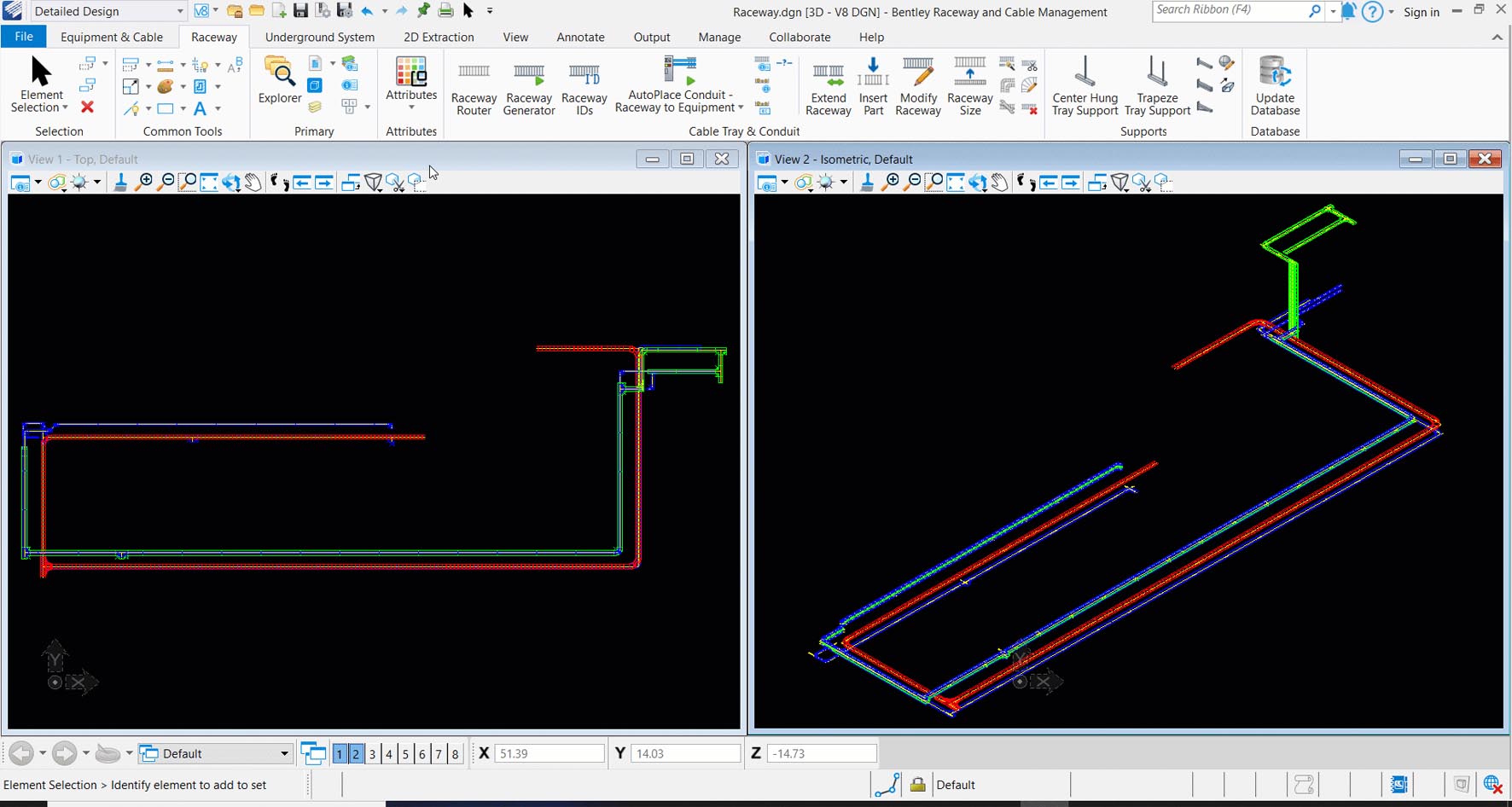
Raceway and Cable Management 24.00.02 is a specialized software module designed for electrical engineers and designers, facilitating the intelligent 2D and 3D layout of electrical distribution pathways. Typically integrated within comprehensive CAD/BIM platforms like Autodesk’s AutoCAD Electrical or Revit MEP, this software addresses the complex challenges of routing and managing cables, conduits, busways, and wireways in industrial, commercial, and infrastructure projects. It ensures efficient design, adherence to crucial electrical codes, and seamless integration within larger building information models.
Advanced Design Capabilities for Cable Tray and Conduit Layouts
This software provides robust tools for the parametric design of electrical raceway systems. It features extensive libraries of manufacturer-specific cable trays, conduits, busways, and supporting hardware, enabling engineers to accurately model physical components. Intelligent routing functions automate the placement of these elements, creating complex pathways with integrated fittings and bends. This capability significantly speeds up the design process for intricate cable management layouts in 2D and 3D environments.
Automated Cable Routing and Compliance with Electrical Codes
Users can define cables by their specific types, sizes, and properties. The software then facilitates the automatic or manual routing of these cables through the designed raceway paths. A critical feature is its automated fill capacity calculation, which checks whether the volume of cables within a raceway segment exceeds predefined limits according to industry standards such as the National Electrical Code (NEC) and International Electrotechnical Commission (IEC) guidelines. This function is vital for ensuring safety, preventing overheating, and maintaining code conformity.
Integration with Building Information Models and Clash Detection
As an integral module within broader CAD/BIM suites, Raceway and Cable Management software enables seamless integration with architectural and mechanical design models. This interoperability is crucial for performing clash detection, identifying potential conflicts between electrical pathways and other building systems, such as structural elements, HVAC ductwork, or plumbing. By detecting and resolving these clashes early in the design phase, it prevents costly on-site modifications and improves overall project coordination.
Detailed Documentation and Fabrication Outputs
Beyond design, the software excels in generating comprehensive documentation required for construction and fabrication. It automatically produces detailed bills of materials (BOM) for all specified raceway components and cables. Furthermore, it generates installation drawings, including isometric and orthographic views, spool sheets, and panel layouts, which are essential for efficient on-site installation and material procurement. These outputs streamline the fabrication process and improve accuracy during construction.
Industry Applications: From Data Centers to Industrial Plants
Raceway and Cable Management software finds extensive application across various demanding sectors. In high-density data centers, it is used to manage the complex, high-volume cabling required for IT infrastructure. For industrial plants, it supports the intricate routing of power and instrumentation cables for machinery and control systems. It is also vital for designing electrical infrastructure in large commercial buildings, ensuring organized and compliant distribution of power and data throughout the facility.
Technical Requirements and Compatibility Considerations
The technical requirements for Raceway and Cable Management software are largely dependent on the host CAD/BIM platform it operates within, such as AutoCAD Electrical or Revit MEP. Users typically require robust workstations with substantial processing power, ample RAM, and capable graphics cards to handle complex 3D models and large project datasets effectively. Compatibility with current operating systems and adherence to the host software’s version requirements are essential for optimal performance and collaboration.
Frequently Asked Questions
What is Raceway and Cable Management software used for in electrical design?
Raceway and Cable Management software helps engineers design and document cable trays, conduits, and wireways in buildings and industrial sites. It allows for 3D modeling, automatic routing, and compliance with electrical codes to ensure safe and efficient cable infrastructure.
How does the software ensure compliance with electrical codes like NEC and IEC?
The software automatically calculates cable fill percentages within trays and conduits based on standardized code requirements. It flags overfilled pathways and cable jamming risks to maintain NEC and IEC compliance.
Can Raceway and Cable Management software integrate with other CAD or BIM platforms?
Yes, these tools typically integrate as modules within larger platforms such as AutoCAD Electrical and Revit MEP, enabling coordinated modeling, clash detection, and combined electrical and architectural design workflows.





Reviews
There are no reviews yet.