

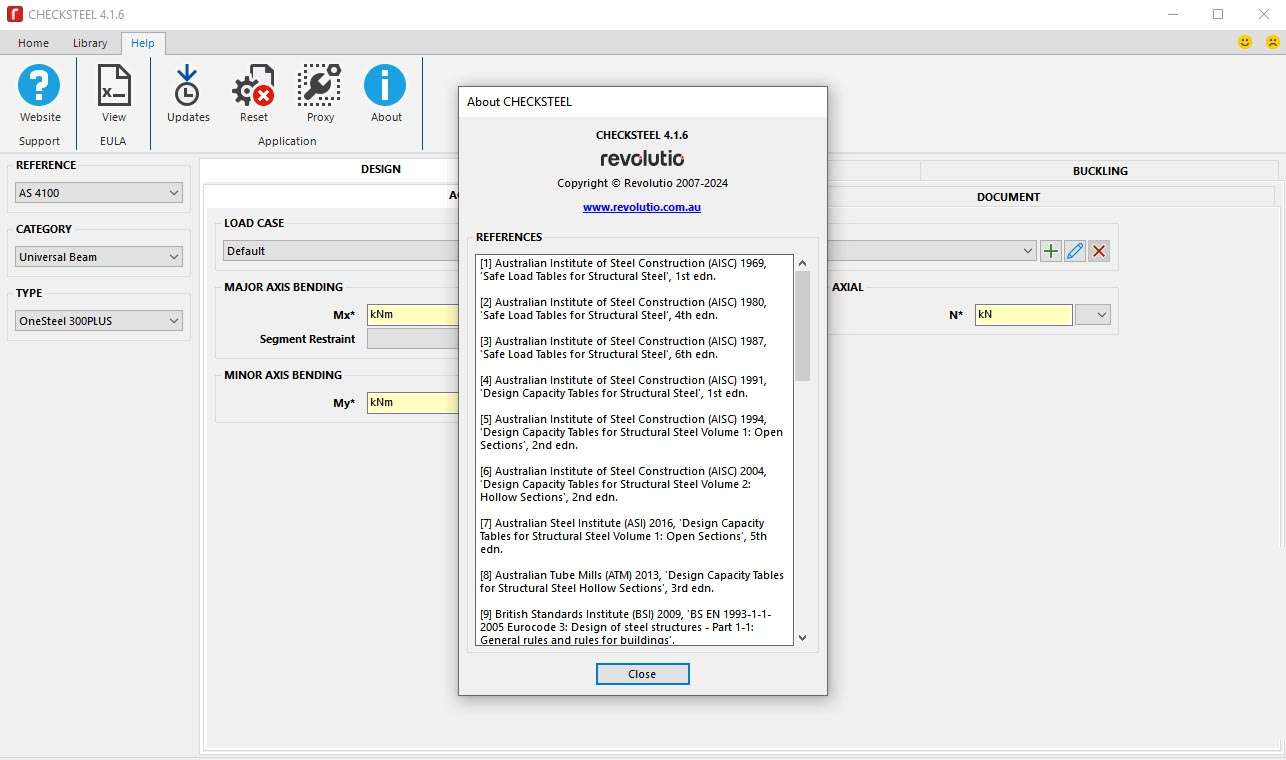
Download Revolutio CHECKSTEEL 4.1.6 – Advanced Steel Connection Design and Verification Software
Revolutio CHECKSTEEL 4.1.6 is a specialized structural engineering software designed for the detailed analysis and verification of steel connections. Developed potentially by Revolutio, a company focused on structural engineering solutions, this software serves the critical needs of structural engineers, steel detailers, and fabricators. It ensures that steel structures meet rigorous international design standards, offering advanced capabilities for connection design that go beyond general structural analysis platforms.
Overview of Revolutio CHECKSTEEL and Its Role in Steel Structure Engineering
Revolutio CHECKSTEEL addresses the complex demands of steel structure engineering, focusing specifically on the design and verification of steel connections. In the construction and steel fabrication industries, the integrity of a steel structure often depends on the strength and reliability of its connections. This software provides structural engineers with a dedicated tool to perform these critical checks, ensuring safety, compliance, and efficiency in project workflows. Its development is geared towards professionals who require precision in detailing and analysis for steel elements.
Innovative Component-Based Finite Element Method for Connection Analysis
The software leverages the Component-Based Finite Element Method (CBFEM) to provide robust steel connection analysis. CBFEM is an advanced application of the Finite Element Method where connection components like plates, bolts, and welds are distinctly modeled and analyzed. This approach allows for the accurate distribution of forces and the prediction of various failure modes within the connection. The advantages of CBFEM over traditional, simplified analysis methods lie in its precision, enabling engineers to achieve more reliable design validation and ensure enhanced safety and code compliance.
Comprehensive Steel Connection and Member Design Capabilities
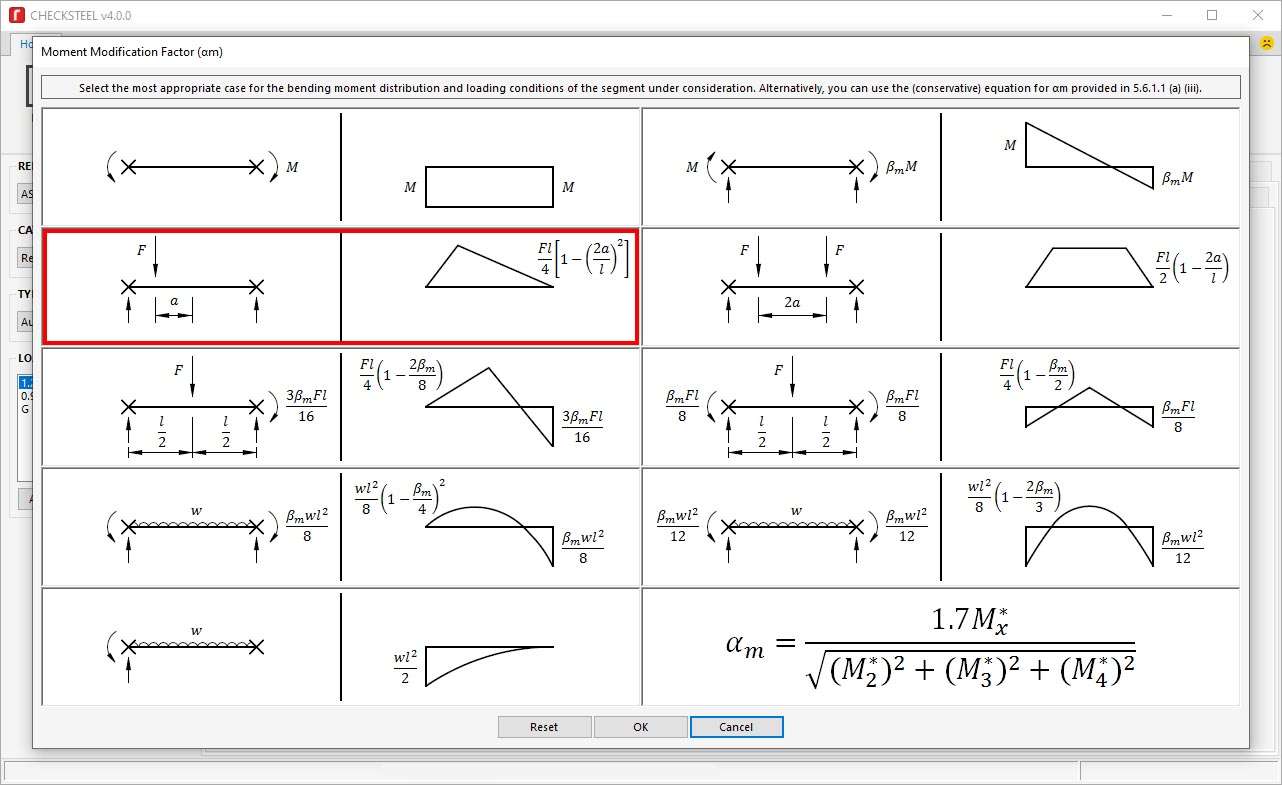
Revolutio CHECKSTEEL offers extensive capabilities for designing and verifying a wide array of steel connections. Supported connection types include essential configurations such as beam-to-column joints, base plates, moment connections, and bracing connections. Beyond connections, the software also performs member checks for stresses and buckling. It ensures designs adhere to multiple international steel design codes, including Eurocode 3, AISC 360, and CSA S16, providing engineers with the flexibility to work on projects globally.
Seamless Integration with BIM and Structural Analysis Tools
Interoperability is a key aspect of Revolutio CHECKSTEEL’s functionality, facilitating efficient design workflows. The software supports integration with industry-standard BIM and CAD solutions, such as Tekla Structures and Advance Steel, often through IFC file exchange. Furthermore, it can import force data directly from leading structural analysis software, including SAP2000, ETABS, and Robot Structural Analysis. This connectivity allows for a streamlined process from initial structural analysis to detailed connection design and fabrication preparation.
Enhanced Features and Improvements in Version 4.1.6
Version 4.1.6 of Revolutio CHECKSTEEL introduces several enhancements aimed at improving user experience and analytical power. This release focuses on refinements to the CBFEM solver for increased performance and efficiency in complex calculations. Updates include new connection templates, expansions to the connection library, and revised national annexes and code references for broader compliance. User interface enhancements and improved drawing customization options further support streamlined workflows for engineers and detailers.
Application Examples and Industry Use Cases
Revolutio CHECKSTEEL is utilized in diverse real-world scenarios within the structural engineering and construction sectors. For instance, engineers employ it to optimize the design of complex connections in high-rise buildings, industrial facilities, and bridges, ensuring structural integrity under various load conditions. In fabrication workflows, its accuracy helps minimize material waste and fabrication errors. The software is particularly valuable for projects requiring strict adherence to international standards, facilitating compliance and quality assurance throughout the build process.
Generating Detailed Reports and Fabrication Drawings for Steel Structures
A crucial output from Revolutio CHECKSTEEL is its ability to generate comprehensive design reports and detailed fabrication drawings. The automated report generation covers all aspects of the connection analysis, providing clear documentation for review and approval. Fabrication drawings include necessary annotations and details to guide workshop production accurately. These features significantly benefit steel fabrication workshops by ensuring clarity, reducing potential misunderstandings, and contributing to overall quality assurance in the manufacturing of steel components.
Frequently Asked Questions
What types of steel connections can Revolutio CHECKSTEEL analyze and design?
Revolutio CHECKSTEEL supports a wide variety of steel connection types including beam-to-column (fin plate, end plate, cleats), base plates, splices, bracing, and moment connections. It provides detailed analysis and verification to ensure compliance with major international steel design codes such as Eurocode 3 and AISC 360.
How does the component-based finite element method improve connection analysis in CHECKSTEEL?
The component-based finite element method (CBFEM) in CHECKSTEEL models each part of a steel connection such as bolts, plates, and welds individually, accurately distributing forces and predicting potential failure modes. This leads to more precise and reliable design validation compared to traditional simplified methods, enhancing the overall safety and accuracy of the structural analysis.
Can Revolutio CHECKSTEEL integrate with other structural engineering software?
Yes, Revolutio CHECKSTEEL integrates seamlessly with BIM and CAD applications like Tekla Structures and Advance Steel through IFC file exchange and direct links. It also imports force data from analysis software such as SAP2000, ETABS, and Robot, enhancing the design workflow and coordination between different engineering disciplines.


Reviews
There are no reviews yet.