

Download SeismoSoft Seismo Suite 2026 – Advanced Earthquake Engineering Software
SeismoSoft Seismo Suite 2026 provides specialized tools for earthquake engineering and structural analysis. Developed by SeismoSoft, this comprehensive software package is designed for professionals in civil and construction fields, particularly those focusing on seismic performance assessment and structural retrofitting. The suite aids engineers in evaluating and enhancing the resilience of structures against seismic events.
Introduction to SeismoSoft Seismo Suite
Overview of SeismoBuild
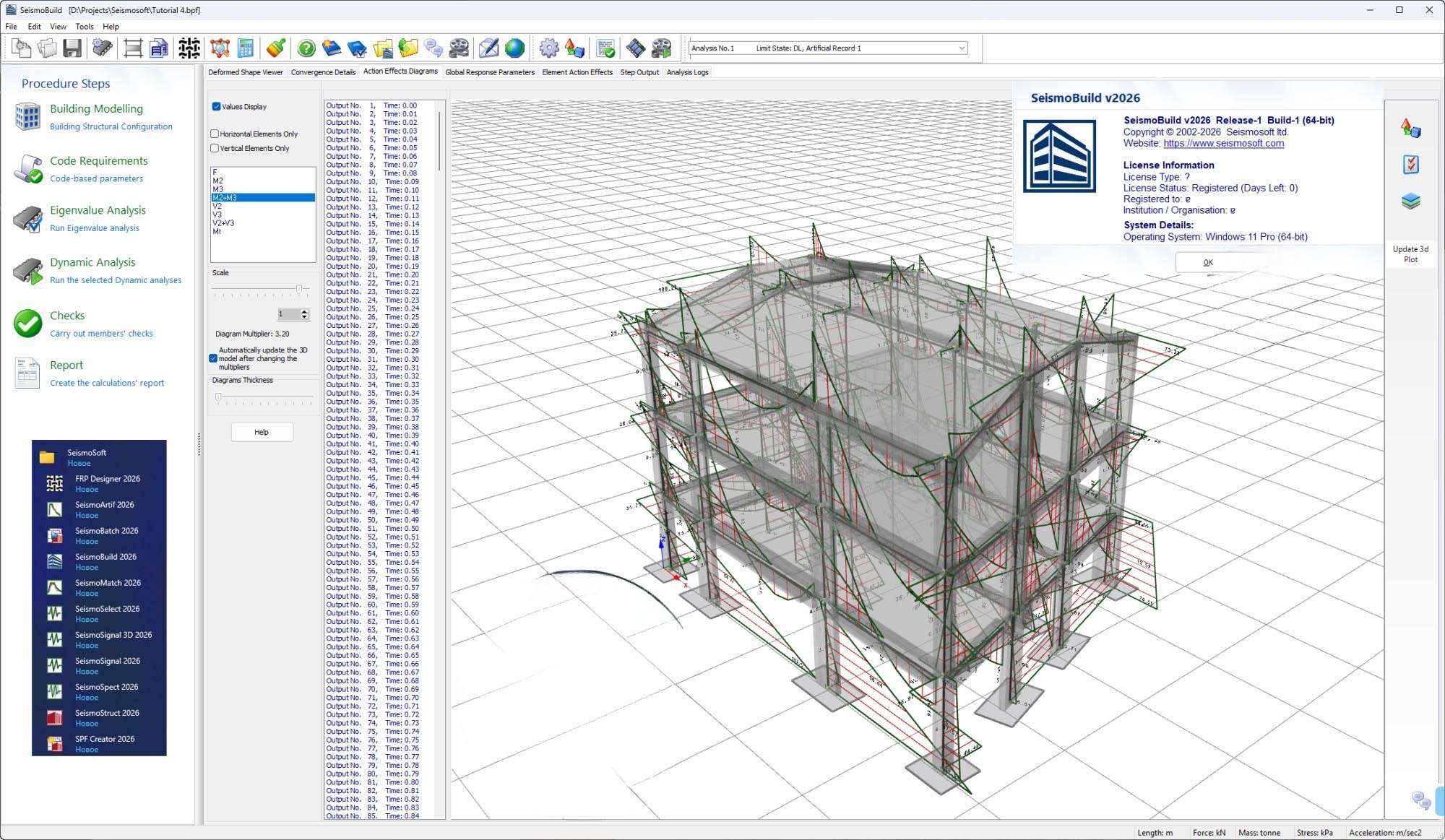
SeismoBuild, a key component of the Seismo Suite, is engineered for the seismic assessment of buildings, with a particular focus on retrofitting and strengthening existing structures. It facilitates the entire process from initial structural modeling to detailed engineering analysis, aligning with Building Information Modeling (BIM) principles. The software is designed to make complex seismic analysis more accessible to structural engineers.
Core Applications in Earthquake Engineering
Earthquake engineering is critical for ensuring the safety and stability of buildings in seismically active regions. Its primary objective is to design structures that can withstand earthquake forces without catastrophic failure. SeismoBuild directly addresses these needs by providing robust tools for seismic performance assessment, enabling engineers to identify vulnerabilities in load-bearing structures and implement effective retrofitting strategies. This ensures that buildings not only meet but exceed safety standards.
User-friendly Interface and Modeling Capabilities
SeismoBuild prioritizes an intuitive and easy-to-navigate interface that simplifies the complex task of seismic analysis. Engineers can effortlessly create detailed 3D models of structures, facilitating a clear understanding of geometry and structural elements. The software’s design allows for quick and efficient modeling, significantly reducing the time spent on preparation for analysis. This user-centric approach enables professionals to concentrate on the engineering aspects rather than struggling with software intricacies.
Comprehensive Material Libraries
A significant advantage of SeismoBuild lies in its extensive libraries of concrete and steel materials. These databases include a wide range of properties and specifications relevant to seismic analysis, allowing engineers to accurately represent the materials used in their designs. The availability of these detailed material properties is crucial for the precision required in seismic performance assessment and for ensuring that retrofitting strategies are based on reliable data.
Real-world Applications and Case Studies
SeismoBuild has been instrumental in numerous real-world engineering projects focused on seismic resilience. It has been applied to assess and retrofit various types of structures, including buildings with reinforced concrete frames. For example, engineers can use SeismoBuild to analyze how existing structures would perform under specific seismic loads and then design targeted strengthening interventions. While specific case studies are subject to project confidentiality, the software’s functionalities are geared towards practical application in complex scenarios, making it a valuable asset for structural retrofitting initiatives.
Integration with Regulatory Standards
Compliance with established earthquake engineering regulations and standards is a fundamental requirement in structural design. SeismoBuild is developed to assist engineers in adhering to these guidelines. The software implements evaluation methods that are aligned with current seismic codes, simplifying the process of ensuring that structural assessments and retrofitting plans meet regulatory requirements. This integration streamlines the compliance process, offering engineers greater confidence in their project outcomes.
Comparative Overview of Similar Software
While various structural analysis software packages exist, SeismoBuild distinguishes itself through its specialized focus on seismic performance assessment and retrofitting. Unlike general-purpose structural analysis tools, SeismoBuild offers an optimized workflow for evaluating earthquake impacts on reinforced concrete structures. Its key differentiators include a particularly user-friendly interface for modeling, comprehensive material libraries specifically curated for seismic analysis, and a strong emphasis on aiding compliance with seismic regulations, particularly in the context of retrofitting existing buildings.
Frequently Asked Questions
What features does SeismoBuild offer for earthquake assessment?
SeismoBuild provides a range of features including intuitive 3D modeling, a comprehensive library of concrete and steel materials, and tools for generating detailed reports on project outcomes. These tools empower engineers to effectively assess and retrofit structures against seismic risks, ensuring enhanced structural integrity.
How does SeismoBuild support compliance with building codes?
SeismoBuild is designed to implement evaluation methods aligned with current building regulations, ensuring that structures are assessed accurately regarding their seismic safety. It automates many compliance checks based on regulatory standards during the analysis and design phases.
Can SeismoBuild handle both metric and imperial units?
Yes, SeismoBuild supports both metric and imperial unit systems, allowing engineers across different regions to work comfortably with their preferred measurement standards while performing analyses and generating reports.




Reviews
There are no reviews yet.