

Download Siemens Tecnomatix Plant Simulation 2404 & Process Simulate 2402 – Advanced Manufacturing Simulation Tools
Siemens Tecnomatix Plant Simulation 2404 and Process Simulate 2402 are advanced manufacturing simulation software solutions developed by Siemens Digital Industries Software. These tools are designed for industrial engineers and professionals in manufacturing, production systems, and general industrial engineering to model, simulate, and analyze complex production environments. The suite offers powerful capabilities for enhancing production efficiency, optimizing resource allocation, and integrating modern manufacturing technologies.
Overview of Siemens Tecnomatix Plant Simulation
What is Siemens Tecnomatix Plant Simulation?
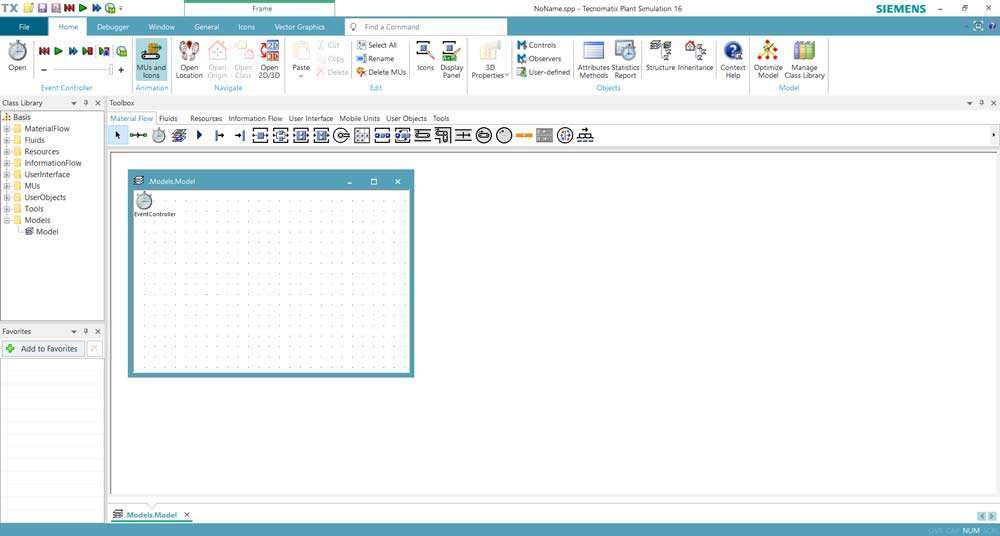
Siemens Tecnomatix Plant Simulation is a sophisticated application focused on discrete event simulation for modeling, analyzing, and optimizing production systems and logistics. It enables users to design and validate new production layouts, improve existing manufacturing processes, and evaluate the impact of changes before implementation. The software facilitates the creation of digital twins of factories and production halls, allowing for extensive scenario testing and performance analysis within a virtual environment.
Core Features of Plant Simulation and Process Simulate
Simulation Models and Scenarios
Both Plant Simulation and Process Simulate support the creation of detailed simulation models that act as digital replicas of manufacturing operations. These models can represent various aspects of production, including material flow, machine utilization, labor allocation, and overall throughput. Users can define and run multiple scenarios to test different strategies, such as varying production volumes, introducing new product lines, or reconfiguring assembly sequences, to identify optimal operational parameters and predict system behavior under diverse conditions.
Key simulation capabilities include:
- Modeling complex material handling systems, including conveyors, AGVs, and cranes.
- Simulating machine operations, downtimes, and maintenance schedules.
- Analyzing buffer capacities and identifying bottlenecks in the production line.
- Evaluating the impact of supply chain variations on production continuity.
- Generating detailed reports and animations to visualize simulation results and communicate findings.
Integration with Robotics and Automation
The Siemens Tecnomatix suite excels in its ability to synchronize with industrial robots and automation processes. Process Simulate, in particular, offers extensive capabilities for programming, simulating, and validating robotic workcells and automated assembly lines. This integration allows engineers to virtually commission robotic systems, optimize robot paths, check for collisions, and ensure seamless integration with other automated equipment before physical deployment, thereby reducing setup times and risk.
Use Cases in the Manufacturing Industry
Siemens Tecnomatix Plant Simulation and Process Simulate are instrumental across a broad spectrum of manufacturing sectors, including automotive, aerospace, electronics, and consumer goods. They are employed to tackle challenges such as optimizing plant layout for efficiency, planning new facility constructions, improving throughput, reducing inventory levels, and integrating advanced technologies like automated guided vehicles (AGVs) and cobots.
Case Studies
In the automotive industry, manufacturers leverage these tools to fine-tune assembly line balancing, simulate the introduction of new vehicle models, and optimize the utilization of robotic welding and painting stations. For electronics manufacturing, the software aids in planning flexible production lines that can adapt to rapid product changes and in optimizing logic for automated testing and kitting processes. These applications result in substantial improvements in production output, reduced operational costs, and faster time-to-market.
Optimization Techniques Built-in the Software
Siemens Tecnomatix software incorporates advanced optimization techniques to enhance manufacturing system performance. Plant Simulation includes features like genetic algorithms that can automatically explore a wide range of design options to find optimal solutions for parameters such as buffer sizes, machine speeds, and dispatching rules. Additionally, the software provides tools for analyzing energy consumption across the production facility, enabling the identification of opportunities for energy savings and more sustainable manufacturing practices.
How Optimization Benefits Manufacturing
The application of these optimization techniques yields significant operational and financial advantages for manufacturers. By identifying the most efficient configurations and operating parameters, businesses can dramatically increase output, reduce lead times, and minimize waste. Energy optimization directly contributes to lower operating expenses and improved environmental performance, aligning with corporate sustainability goals. Ultimately, these process improvements lead to enhanced competitiveness and profitability.
Compatibility and Integrations
Supported Systems and Collaboration Tools
Siemens Tecnomatix Plant Simulation and Process Simulate are designed to integrate seamlessly into the broader product lifecycle management (PLM) landscape. They support various file formats for importing and exporting data, ensuring compatibility with popular CAD (Computer-Aided Design) and CAE (Computer-Aided Engineering) software, as well as Enterprise Resource Planning (ERP) and Manufacturing Execution Systems (MES). This interoperability facilitates collaborative workflows across different engineering disciplines and departments, enabling a unified approach to product and production development.
Conclusion and Summary of Benefits
Siemens Tecnomatix Plant Simulation and Process Simulate offer powerful, integrated solutions for modern manufacturing challenges. By providing robust tools for modeling, simulation, and optimization, these platforms empower industrial engineers to design, analyze, and refine production systems with remarkable accuracy. The ability to test scenarios virtually, optimize resource and energy usage, and integrate advanced automation technologies translates into tangible benefits, including reduced costs, increased throughput, improved quality, and enhanced operational flexibility, making them essential for achieving manufacturing excellence.
Frequently Asked Questions
What industries can benefit from Siemens Tecnomatix Plant Simulation?
Siemens Tecnomatix Plant Simulation is widely utilized in manufacturing, automotive, electronics, and consumer goods industries, significantly enhancing production efficiency and workflow optimization by allowing for detailed modeling and simulation of complex operational workflows and system throughput.
How does Process Simulate differ from Plant Simulation?
While both tools are part of the Siemens Tecnomatix suite, Process Simulate focuses on the dynamic analysis of workflows and processes, particularly in areas like robotics and human-machine interaction, whereas Plant Simulation is more centered on modeling and optimizing the systemic performance and throughput of production systems and logistics.
What are the main advantages of using simulation software in manufacturing?
Simulation software allows for testing various production scenarios without disrupting real operations, improving decision-making capabilities, reducing costs associated with physical prototyping and line changes, and enhancing the overall efficiency, flexibility, and robustness of manufacturing systems.







Reviews
There are no reviews yet.