

Download MPLAB C18, C30, C32 C Compilers – Powerful Tools for Embedded Systems Development
MPLAB C18, C30, C32 C Compilers are specialized software tools developed by Microchip Technology Inc. for embedded systems development. These compilers are designed to facilitate the creation of firmware for Microchip’s extensive range of microcontrollers, enabling electrical engineers and embedded systems developers to transition high-level C code into machine code executable by target hardware. Their integration with the MPLAB IDE is a cornerstone of Microchip’s development ecosystem, offering a streamlined workflow for complex embedded projects.
Introduction to MPLAB C Compilers
Overview of Functionality
The MPLAB C compilers, including versions like C18, C30, and C32, serve as essential tools for programming Microchip microcontrollers. They translate C language source code into object code that microcontrollers can understand and execute. This process empowers developers to write complex logic and algorithms in a more abstract, human-readable language rather than low-level assembly, significantly accelerating the firmware development cycle for various embedded applications.
Key Features of MPLAB C Compilers
Code Development and Debugging Capabilities
MPLAB C compilers are integral to a robust development environment, providing critical capabilities for code creation and troubleshooting. They support a wide range of C language standards and extensions relevant to embedded programming.
- Advanced code optimization techniques to minimize memory footprint and maximize execution speed.
- Support for complex data types and constructs to handle sophisticated embedded system logic.
- Seamless integration with debugging tools within the MPLAB IDE, allowing for real-time code inspection, variable monitoring, and execution control.
- The ability to set breakpoints at specific lines of code to halt program execution and analyze program states during runtime, crucial for identifying and resolving bugs.
Usage Scenarios in Embedded Systems Development
The MPLAB C compilers are instrumental in a broad spectrum of embedded systems applications across various industries. Their flexibility and optimization capabilities make them suitable for resource-constrained environments and performance-critical tasks.
- Automotive Systems: Used for developing control units in vehicles, such as engine management systems, infotainment, and advanced driver-assistance systems (ADAS).
- Consumer Electronics: Found in firmware for smart home devices, appliances, audio equipment, and portable electronics requiring efficient code execution.
- Industrial Control: Employed in developing firmware for programmable logic controllers (PLCs), motor control systems, and sensor networks in manufacturing and automation environments.
- Internet of Things (IoT) Devices: Essential for programming microcontrollers in IoT edge devices, enabling them to process data, communicate with networks, and interact with the physical world.
Integration with MPLAB IDE
Working with Linkers and Customization Options
The power of MPLAB C compilers is significantly amplified through their deep integration with the MPLAB IDE. This synergy simplifies project management and allows for fine-tuned control over the compilation and linking process.
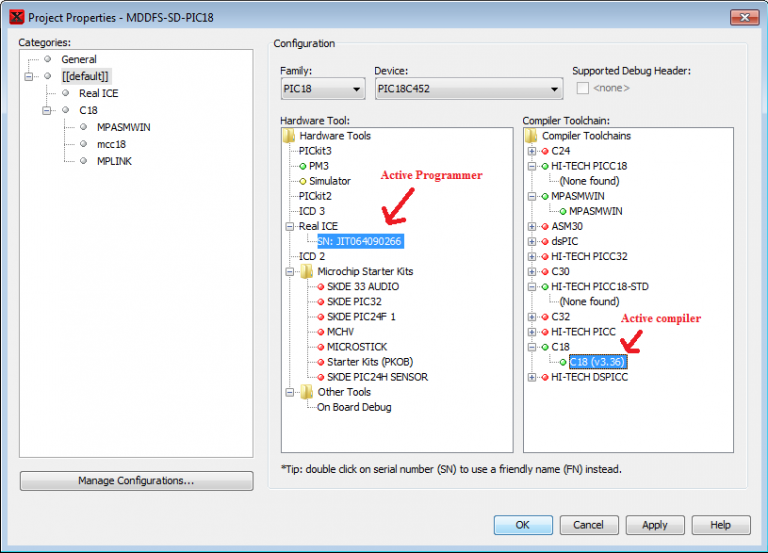
- The MPLAB IDE provides a unified interface for managing source files, configuring compiler settings, and initiating the build process.
- Developers can leverage different linker scripts to precisely control memory allocation and organization for specific microcontroller architectures, optimizing performance and resource usage.
- Customization options allow for fine-tuning compiler behavior, including optimization levels, warning messages, and preprocessor directives, to meet project-specific requirements.
- This integrated approach minimizes the complexity typically associated with managing separate compiler and IDE tools, enhancing overall developer productivity.
Comparison with Other Embedded Compilers
When choosing an embedded compiler, developers often weigh features, optimization capabilities, and ecosystem integration. MPLAB C compilers offer distinct advantages, particularly for those working within the Microchip ecosystem.
Compared to some standalone embedded C compilers, the MPLAB C compilers are purpose-built for Microchip’s microcontroller families, offering optimized code generation that can lead to improved performance and smaller code sizes for specific architectures. Furthermore, their native integration within the MPLAB IDE provides a cohesive and user-friendly development experience, often presenting a more streamlined workflow than managing separate IDEs and compilers. This tight integration simplifies debugging, simulation, and project management, which can be significant advantages for developers prioritizing efficiency and ease of use within the Microchip development landscape.
Conclusion and Next Steps
The MPLAB C18, C30, and C32 C Compilers are indispensable tools for engineers and developers engaged in embedded systems development using Microchip microcontrollers. Their robust feature set, combined with seamless integration into the MPLAB IDE, provides a powerful and efficient platform for creating sophisticated firmware. By leveraging these compilers, professionals can effectively translate complex C code into optimized machine instructions, facilitating the development of reliable and high-performing embedded solutions for diverse applications.
Frequently Asked Questions
What are MPLAB C compilers used for?
MPLAB C compilers are primarily designed for developing firmware for Microchip’s microcontroller products, allowing developers to write, test, and debug C code tailored for embedded systems applications. They translate high-level C code into the specific machine language required by various Microchip microcontroller architectures.
How do MPLAB C compilers integrate with MPLAB IDE?
The MPLAB C compilers are built into the MPLAB Integrated Development Environment, allowing users to write, debug, and simulate their code within a single platform, enhancing the development process. This integration streamlines project management, configuration, and the build-debug cycle.
Are there different versions of MPLAB C compilers for various Microchip architectures?
Yes, Microchip provides different compiler versions such as C18, C30, and C32 that cater specifically to various architectural needs and microcontroller family features. Each version is optimized for different microcontroller series within Microchip’s portfolio.








Reviews
There are no reviews yet.